
Collection
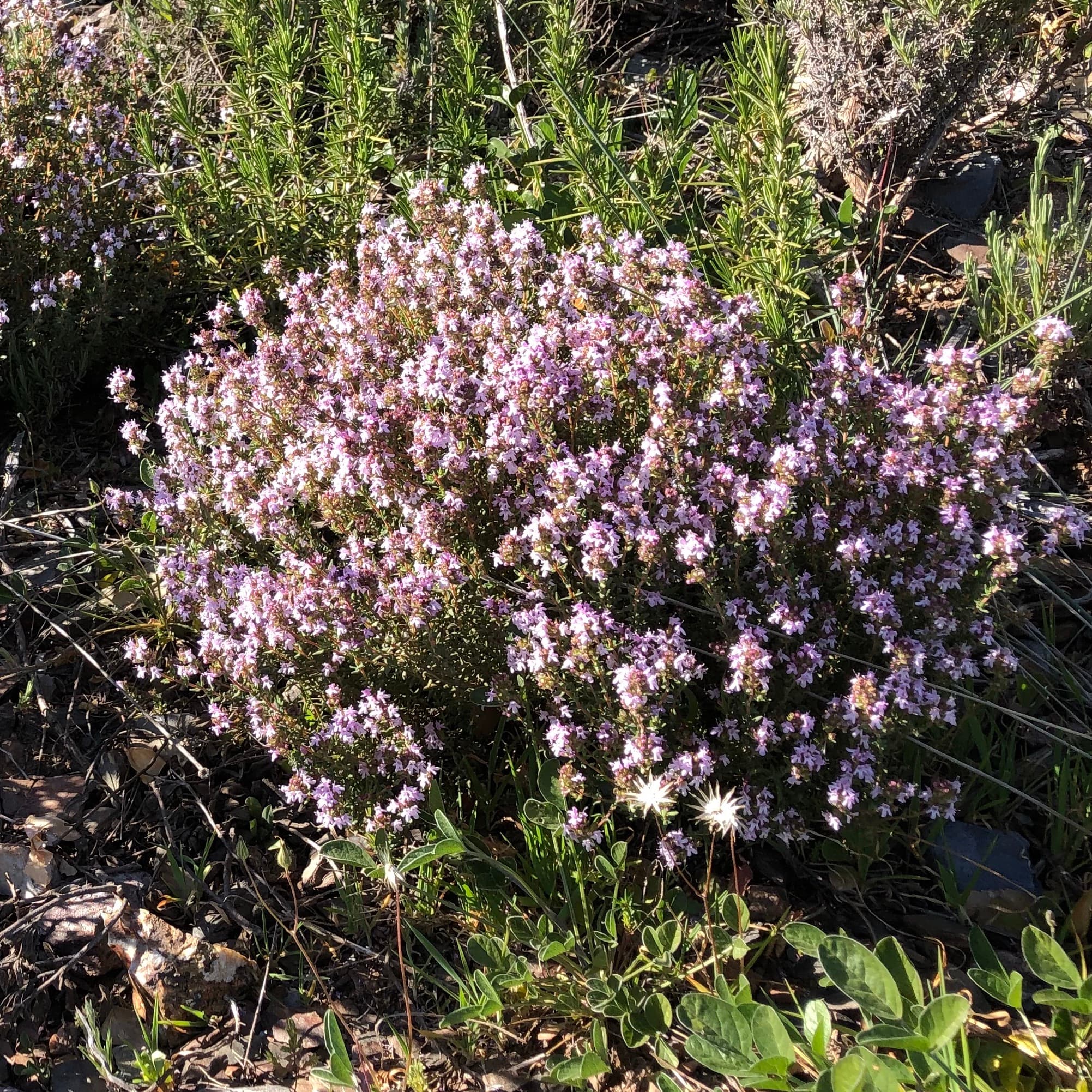
Thyme, wild, Bulgaria
Product code: Not provided
No sizes are currently available.
About this product
For further information about this product or to inquire about larger quantities, please send us an email and we will get back to you as soon as possible. The availability and price of this product may vary without prior notice, if for some reason the quantity you have requested is currently unavailable, we will contact you shortly to discuss the best options to fulfill your needs.
Identity and quality
- Botanical name
- Thymus serpyllum
- Origin
- Bulgaria
- Plant part
- Aerial parts
- Extraction
- Steam distilled
- Cultivation
- SAUV.
- CAS TSCA
- 8007-46-3
- CAS EINECS
- 84929-51-1
- Appearance
- Clear, colorless to pale yellow liquid
- Odour
- Characteristic aromatics, woody and spicy odor
Composition and further information
It is a sub-shrub used in cooking and as a medicinal plant that is native to parts of southern and eastern Europe. Wild thyme is considered very rare in France. The genus Thymus includes about 300 species. It is emblematic of Mediterranean cuisine and is known in "le midi" under the name of serpoule or serpolet. The ancient Greeks used thyme as incense in their temples. The potion made from thyme was believed to give courage and bravery for battles (Thumos means courage in Greek). The name could also come from the Egyptian tham, name of a plant used to embalm the body or from the Greek root thy, meaning "to exhale a smell". Pliny already recommended it as an anti-infective. Main components of essential oil Monoterpenes: paracymene 10 to 15%, gamma-terpinene, alpha-pinene, limonene, camphene, myrcene Monoterpenols: geraniol 10 to 15%, linalool, borneol, alpha-terpineol, terpinene-4-ol, thuyanol Monoterpene phenols: thymol, carvacrol (20 to 30%) Sesquiterpenes: beta-caryophyllene, alpha-humulene, delta-cadinene Terpene esters: geranyl acetate 3% Ketones: camphor 1 to 3% Oxide: 1,8-cineole Balanced composition without extremely major component: gamma-terpinene (22-23%), paracymene (20-21%), thymol (18-19%), germacrene D (5-6%)
A word from Anny Schneider
This variety of thyme is the most widespread in the wild, and this throughout the northern hemisphere. This certified organic aromatic essence was extracted from Bulgarian Serpolet. It is softer than thymol thyme but is nevertheless bactericidal, pectoral and general tonic. Used as an adjuvant in a synergy if not very diluted in vegetable oil or liquid soap.
References
* L’aromathérapie énergétique - Lydia Bosson * L’aromathérapie exactement - Pierre Franchomme, Roger Jolis et Daniel Pénoël * L’aromathérapie, Se soigner par les huiles essentielles - Dr Valnet
Documents and certifications
No quality documents available for this product.
Warnings and storage
Read the product-specific precautions, safety data sheet and usage guidance before use.
- Keep out of reach of children. Do not ingest; seek urgent medical or poison-control advice after accidental ingestion.
- Avoid eyes and mucous membranes. For essential oils, follow dilution guidance and patch-test before use.
- Ask a health professional before using essential oils during pregnancy or breastfeeding, or with epilepsy or asthma.
- Stop use if an adverse reaction occurs. Follow the product-specific restrictions on sun exposure.
- Store in a closed container away from light and heat. This information does not replace medical advice.
Comments
No comments have been published yet.
Write a comment
Our team reviews comments before publication. Your public name and text will be visible. Sign in