
Collection
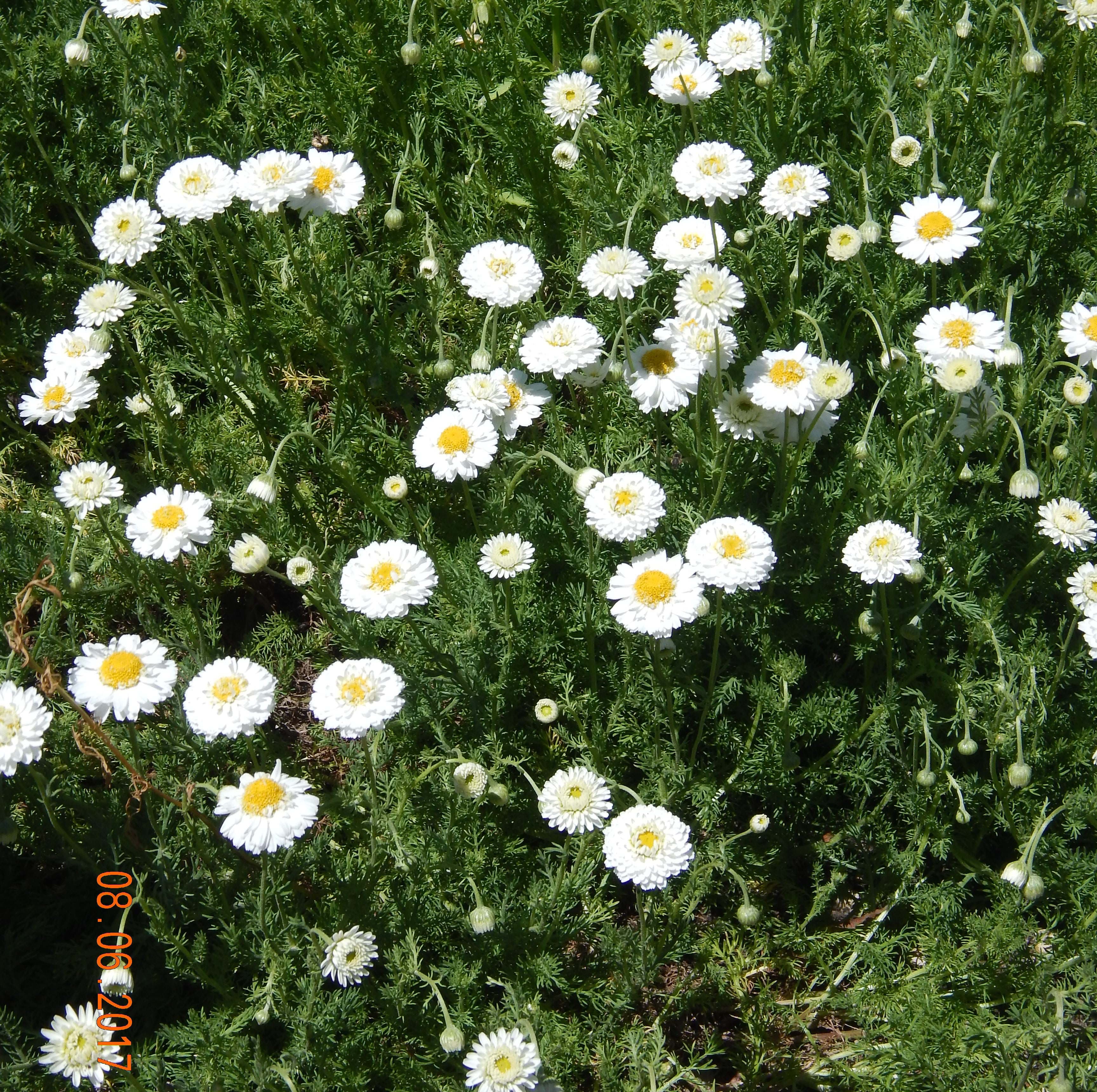
Chamomile noble, France


Product code: Not provided
No sizes are currently available.
About this product
This noble chamomile hydrolat from France is obtained by steam distillation of flowers of the plant. For further information about this product or to inquire about larger quantities, please send us an email and we will get back to you as soon as possible. The availability of this product may vary, if for some reason the quantity you have requested is currently unavailable, we will contact you shortly to discuss the best options to fulfill your needs.
Identity and quality
- Botanical name
- Chamaemelum nobilis
- Origin
- France
- Plant part
- Flowers
- Extraction
- Steam distilled
- Cultivation
- C-BIO
- Synonyms
- N/A
- INCI
- N/A
- CAS TSCA
- N/A
- CAS EINECS
- N/A
- Appearance
- Liquid, colorless
- Odour
- Soft, honeyed
Composition and further information
Noble chamomile (Chamamealum nobile) is also known as Roman chamomile and in Latin it is also called Anthemis nobilis. It is a small plant about 30 cm high covered with small hairs which seems to color it in whitish gray. The flowers (of the heads) are fragrant, solitary, single in the wild varieties and double in the cultivated varieties. They measure approximately 3 cm in diameter. It should not be confused with German chamomile or chamomile. Main components of essential oil Esters (82-90%) isobutyl angelate 32-40%, isoamyl angelate 15-20%, beta-methallyl angelate 7-10%, isobutyl isobutanoate 5-9%, 2-methylbutyl isobutanoate 2 -5%, 2-methylbutyl isobutyrate, 2-methylbutyl angelate 4-6%, isopropyl angelate 1-2%, isobutyl methacrylate 1-3%, (Z)-2-methyl-2 angelate -butenyl < 1% Monoterpenols and alcohols (<5%): transpinocarveol 3-5%, myrtenol <1%, borneol <1%, isobutanol <0.1%, 3-methyl-1-butanol <0.1% Monoterpene hydrocarbons (<4%): alpha-pinene 1-2%, beta-pinene <1%, camphene <1% Ketones (2-5%): transpinocarvone Aldehydes (< 1%): myrtenal Acids (traces): angelic acid, isobutanoic acid Sesquiterpene lactone (nobilin)
A word from Mikaël
Calm Drives away negative emotions and obsessive thoughts by allowing the mind to reconnect with itself. Calming, in stressful situations, it promotes calm and sleep. Analgesic, anti-inflammatory, healing.
A word from Anny Schneider
Recognized worldwide as an antispasmodic and calming plant, it is also consumed as a digestive herbal tea. This small flower of the Asteraceae family (ex-Compositae) brings peace to the heart and mind and promotes deep sleep at night and serenity during the day. It also revives skin radiance, minimizes wrinkles and dehydration. It can even be used in very small doses. It should not be confused with two other medicinal plants resembling it and also locally called “chamomile”: common chamomile and feverfew.
Properties — source text
Anti-wrinkle, hydration, repair in case of injuries, burns, etc. Emotional troubles. Insomnia.
Suggested use
It calms and helps reduce anxiety. In a gentle massage of sensitive areas, it will calm the nervous system.
Precautions for use
It's an Asteraceae. There may be possible drug interactions, check with a health practitioner familiar with aromatherapy.
Documents and certifications
Warnings and storage
Read the product-specific precautions, safety data sheet and usage guidance before use.
- Keep out of reach of children. Do not ingest; seek urgent medical or poison-control advice after accidental ingestion.
- Avoid eyes and mucous membranes. For essential oils, follow dilution guidance and patch-test before use.
- Ask a health professional before using essential oils during pregnancy or breastfeeding, or with epilepsy or asthma.
- Stop use if an adverse reaction occurs. Follow the product-specific restrictions on sun exposure.
- Store in a closed container away from light and heat. This information does not replace medical advice.
Comments
No comments have been published yet.
Write a comment
Our team reviews comments before publication. Your public name and text will be visible. Sign in