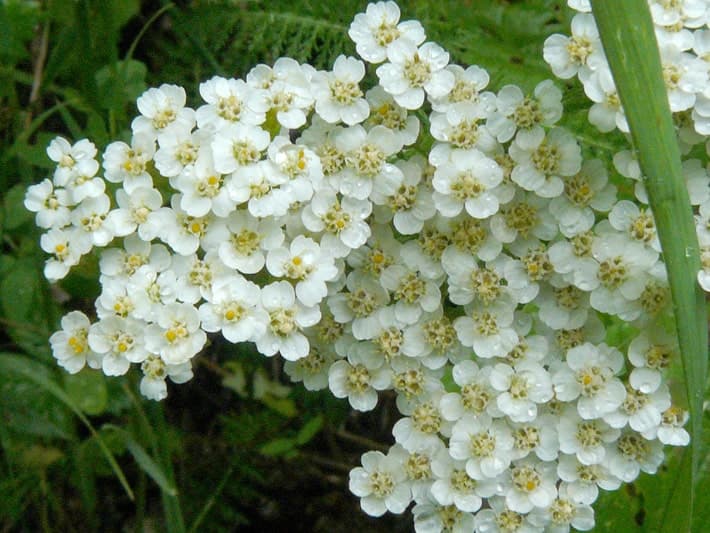
Yarrow,
From $9.00
100% pure and natural essential oils · Achillea millefolium · Slovenia · PED

100% pure and natural essential oils

 Top 100
Product code: EAB946638
Available to order
India ginger essential oil is very famous. For further information about this product or to inquire about larger quantities, please send us an email and we will get back to you as soon as possible. The availability and price of this product may vary without prior notice, if for some reason the quantity you have requested is currently unavailable, we will contact you shortly to discuss the best options to fulfill your needs.
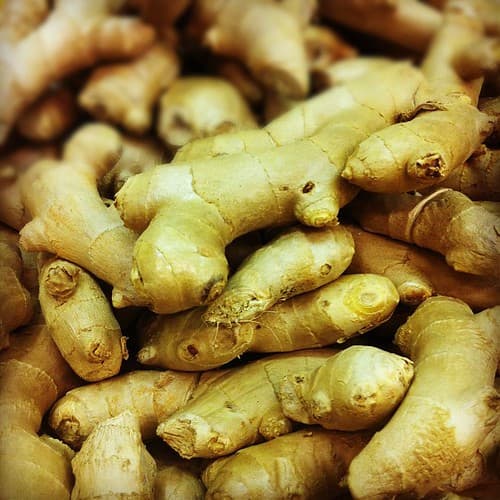
Ginger is part of the large Zingiberaceae family like turmeric, cardamom, etc. It is a tall grass with a reed habit native to Asia. The name "ginger" comes from the Sanskrit word shringavera, which means "in the shape of deer antlers", referring to the shape of the young shoots emerging from its rhizome It has been used since the dawn of time, it was thought in the Middle Ages in Europe that it came from the Garden of Eden, it was cultivated for the first time in Europe in Corconne in the Gard after the Count of Toulouse had brought back from the crusade. Its cultivation is currently widespread in all tropical countries as a spice and condiment. Ginger is used in the composition of several drinks (ginger-ale). The main components of essential oil are: Sesquiterpenes: zingiberene (30%), ar-curcumene (2-5%), beta-bisabolene (3-6%), gammabisabolene, alpha-farnesene (4-5%), zingiberol, beta-sesquiphellandrene (10%) Monoterpenes: camphene, geranial, neral, linalool, citronellal, etc. Arylalkanes: gingerols, shogaols, paradols, gingerenones A and B (galanolactone in Chinese variety) Gingersulfonic acid, pipecolic acid, cinnamic acid, glycerols
Warmth is a priority in this season. Warmth in our body, warmth in our minds. Essential oil of Ginger with its spicy notes offers us comfort inside and out. Native to India, where 3000 years old texts prescribe it for a wide variety of needs, ginger has made its way into the cuisines and medicine cabinets of the world. Used as tea, in perfumes, cuisines both sweet and savoury, in oil blends to warm the body, soothe, and awaken the senses, gingers serves us with unending generosity.
This organic certified Ginger essential oil, internally, ideally diluted in a teaspoon of olive oil, is very useful in case of nausea and difficult digestion, or anointing on the abdomen. It also relieves joint pain and the symptoms of the flu. Stimulating glandular, it is also appreciated in case of general fatigue, nervous and sexual. It promotes self-acceptance and attention in the present moment.
It is very useful in case of nausea and difficult digestion, in direct anointing on the abdomen or 2-3 drops on the tongue. It also relieves joint pain and flu symptoms. Glandular stimulant, it is also appreciated in case of general, nervous and sexual fatigue... It promotes self-acceptance and attention to the present moment.
Ginger essential oil can sometimes be dermocaustic, try it in the crook of your elbow before use.
* L’aromathérapie énergétique - Lydia Bosson * L’aromathérapie exactement - Pierre Franchomme, Roger Jolis et Daniel Pénoël * L’aromathérapie, Se soigner par les huiles essentielles - Dr Valnet
Read the product-specific precautions, safety data sheet and usage guidance before use.
No comments have been published yet.
Our team reviews comments before publication. Your public name and text will be visible. Sign in
100% pure and natural essential oils
From $9.00
100% pure and natural essential oils · Achillea millefolium · Slovenia · PED
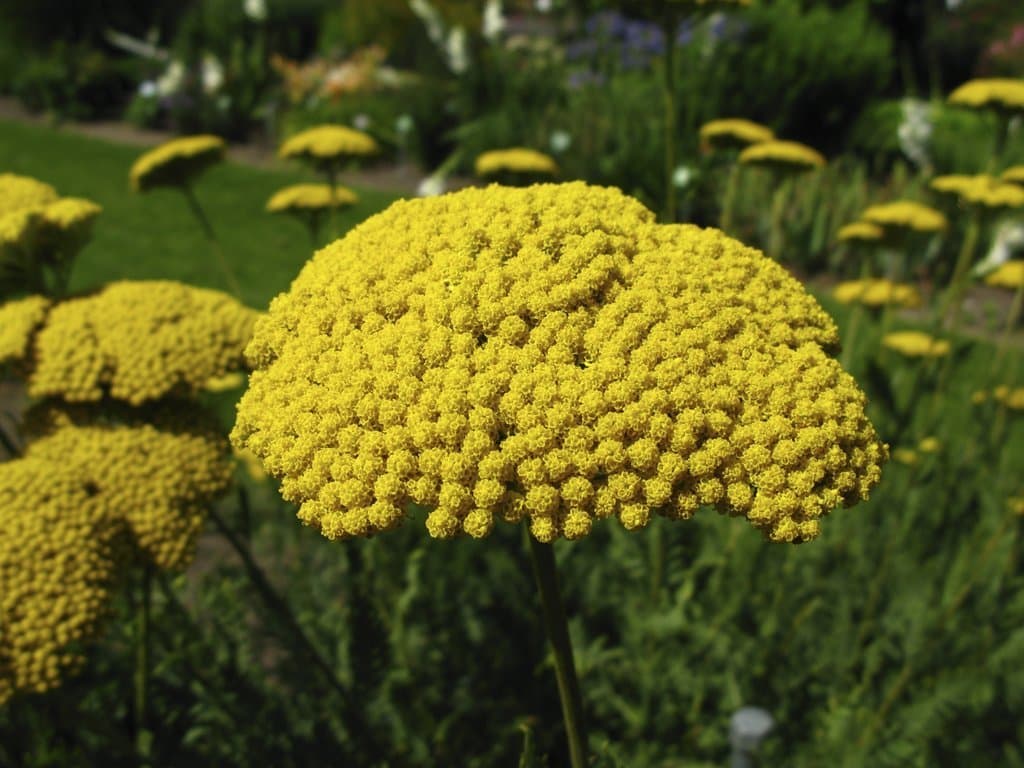
From $9.00
100% pure and natural essential oils · Achillea filipendulina · Bulgaria · SAUV.
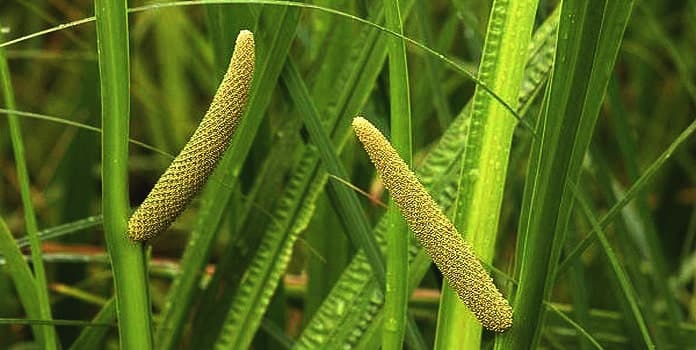
From $7.00
100% pure and natural essential oils · Acorus calamus · Nepal · C-BIO
From $35.00
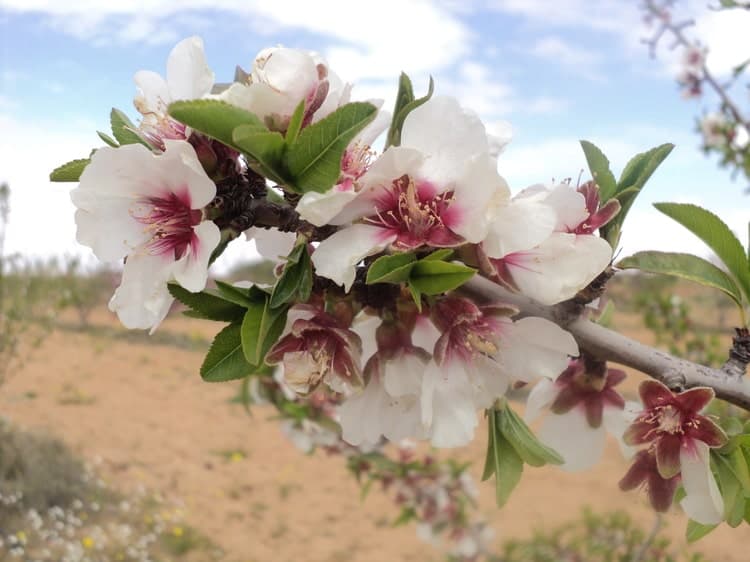
100% pure and natural essential oils · Prunus armeniaca · Morocco · PED