
Collection
Myrtle, green, Slovenia

Product code: Not provided
No sizes are currently available.
About this product
For further information about this product or to inquire about larger quantities, please send us an email and we will get back to you as soon as possible. The availability and price of this product may vary without prior notice, if for some reason the quantity you have requested is currently unavailable, we will contact you shortly to discuss the best options to fulfill your needs.
Identity and quality
- Botanical name
- Myrtus communis
- Origin
- Slovenia
- Plant part
- Leaves
- Extraction
- Steam distilled
- Cultivation
- C-BIO
- Synonyms
- Myrtus communis var. romana, Myrtus communis var. tarentina
- INCI
- Myrtus communis oil
- CAS TSCA
- 8008-46-6
- CAS EINECS
- 84082-67-7
- Appearance
- Reddish brown liquid
- Odour
- Characteristic eucalyptus-like odor
Composition and further information
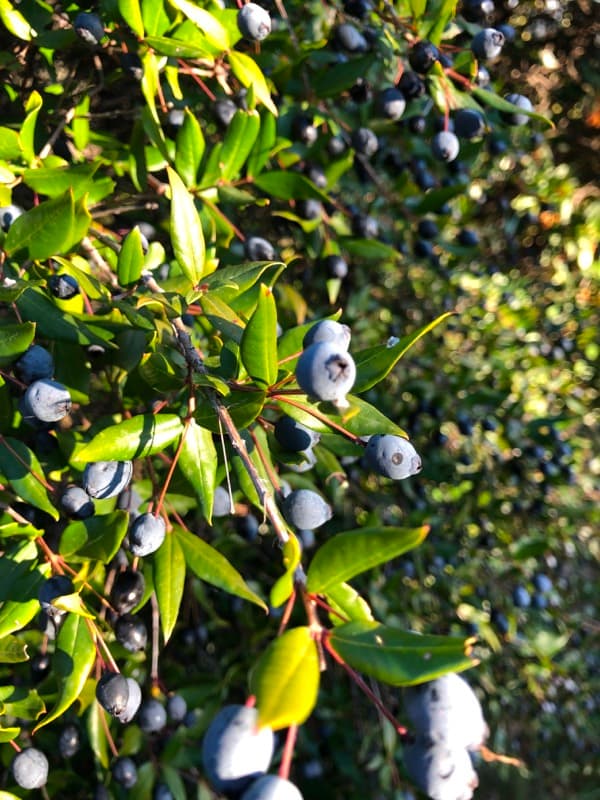
Myrtle (or green myrtle) is a shrub from the shores of the Mediterranean which supports a small frost (maximum -10° for a few hours). The Myrtle has evergreen, tough, thick leaves very popular with goats. The flowers are very small, white, fragrant. then the fruits are ovoid, fleshy, black with blue bloom when ripe. The fruits are very coloring, a bit like blueberries. It is the plant of Aphrodite (Venus), Goddess of Love in antiquity. The antibiotic properties of myrtles have been known and recognized since ancient times. To prepare the drink based on myrtle berries (Corsican myrtle alcohol), you must pick the fruits when they are ripe, ideally after a little frost, then put these fruits in alcohol for a variable period of time. We add leaves - which will give the flavor and tannins - and after filtration, just adjust the desired degree by adding water and a little sugar. Main components of essential oil Terpene oxides: 1,8-cineole (20 - 40%) Monoterpenes: alpha-pinene (8 - 25%), limonene (8 - 18%) Monoterpene alcohols: linalool, myrtenol, alpha-terpineol Terpene esters: myrtenyl acetate (10 - 20%), geranyl acetate, linalyl acetate, bornyl acetate Sesquiterpenes: beta-caryophyllene (2%), alpha-humulene Lactones: myrtucommulones A and B Aldehydes: myrtenal, trans-2-hexanal
A word from Anny Schneider
The essential oil of this Mediterranean shrub is certified organic and helps to thin the lymph and secretions in general. It has purifying effects of moods in general as well as of morale. Its resinous and fruity fragrance is invigorating and reassuring at the same time.
References
* L’aromathérapie énergétique - Lydia Bosson * L’aromathérapie exactement - Pierre Franchomme, Roger Jolis et Daniel Pénoël * L’aromathérapie, Se soigner par les huiles essentielles - Dr Valnet
Documents and certifications
Warnings and storage
Read the product-specific precautions, safety data sheet and usage guidance before use.
- Keep out of reach of children. Do not ingest; seek urgent medical or poison-control advice after accidental ingestion.
- Avoid eyes and mucous membranes. For essential oils, follow dilution guidance and patch-test before use.
- Ask a health professional before using essential oils during pregnancy or breastfeeding, or with epilepsy or asthma.
- Stop use if an adverse reaction occurs. Follow the product-specific restrictions on sun exposure.
- Store in a closed container away from light and heat. This information does not replace medical advice.
Comments
No comments have been published yet.
Write a comment
Our team reviews comments before publication. Your public name and text will be visible. Sign in