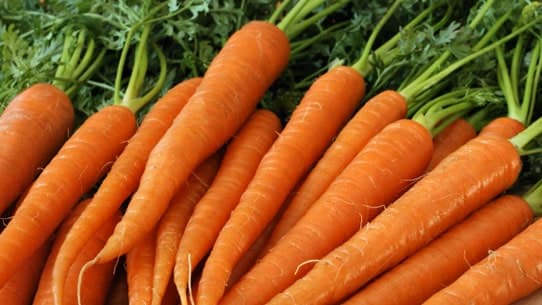
Carrot,
From $12.00
Infused oils · Daucus carota · Canada · CONV.

Infused oils

 New
Product code: MAB497743
Available to order
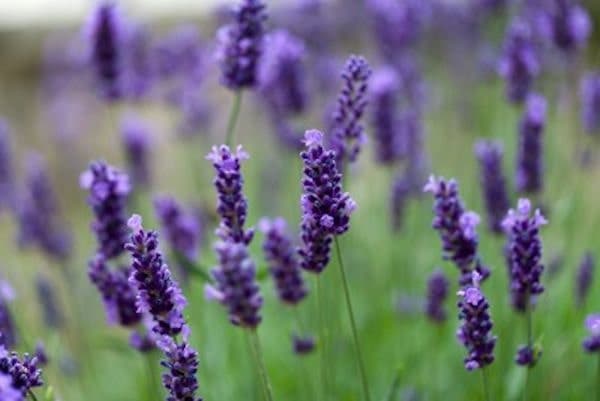
This macerate was prepared by infusing lavender flowers in a first cold pressed almond oil for several weeks. Very efficient to treat eczema and other skin conditions, its properties are antiseptic, anti-inflammatory, soothing and healing. For further information about this product or to inquire about larger quantities, please send us an email and we will get back to you as soon as possible. The availability of this product may vary, if for some reason the quantity you have requested is currently unavailable, we will contact you shortly to discuss the best options to fulfill your needs.
Lavender officinalis is also called true lavender (Lavandula vera) or narrow-leaved lavender (L. angustifolia). Commonly, true lavender is also called "wardrobe" for its ease in repelling insects and scenting laundry in old wardrobes. It is a small shrub that likes the hot and dry regions of the Mediterranean. It is common and characteristic of the landscapes of Provence, Bulgaria or Greece. Its essential oil has had an AOC (Appellation d'Origine Contrôlée) since 1981, like the great wines. The best fine lavender is from the wild population: all the plants are different, to be differentiated from the so-called clonal lavenders, resulting from the selection of all identical clones, more resistant and with better yield, which are reproduced by cuttings. It is easy to confuse it with other lavenders but if you look closely you can see that its leaves are narrower than those of spike lavender or wild lavender (Lavandula latifolia) and that its flower stalks are shorter. Similarly, if it looks like lavandin, it has more camphor in its essential oil and is therefore easily recognizable. The creator of the term "Aromatherapy", René-Maurice Gattefossé, cured himself of an infection that was beginning to gangrene, due to a burn in his laboratory, thanks to repeated applications of essential oil of fine lavender impregnating a tulle fat. Main components of essential oil Esters: linalyl acetate (30 - 55%), terpenyl acetate, lavandulyl acetate > 0.2% Monoterpene alcohols: linalool (20 - 35%), terpinene-1-ol-4 (= terpinene-4-ol), lavandulol Monoterpenes: cis-beta-ocimene, trans-beta-ocimene, limonene 1,8-cineole, camphor Sesquiterpenes (caryophyllene epoxide) Coumarin, herniarin
This oil is the result of the maceration of flowering tops bloomed from lavender ears in organic sunflower oil of 1st cold pressing, then carefully filtered. It is antiseptic, calming and regenerating.
Inhaling true lavender essential oil improves menopausal hot flushes. Healing of episiotomies: the application of fine lavender essential oil leads to a reduction in pain ( https://pubmed.ncbi.nlm.nih.gov/21168115/ )
Leg self-massages in synergy with Citrus aurantium significantly improves the quality of life of hemodialysis patients ( https://pubmed.ncbi.nlm.nih.gov/32889038/ ). Flavoring of cosmetics, washing products, polishing waxes, fragrances.
Excellent safety, tolerance, reliability Avoid during the first three months of pregnancy Respect dosages in children, avoid prolonged treatments Do not get in eyes
Read the product-specific precautions, safety data sheet and usage guidance before use.
No comments have been published yet.
Our team reviews comments before publication. Your public name and text will be visible. Sign in
Infused oils
From $12.00
Infused oils · Daucus carota · Canada · CONV.
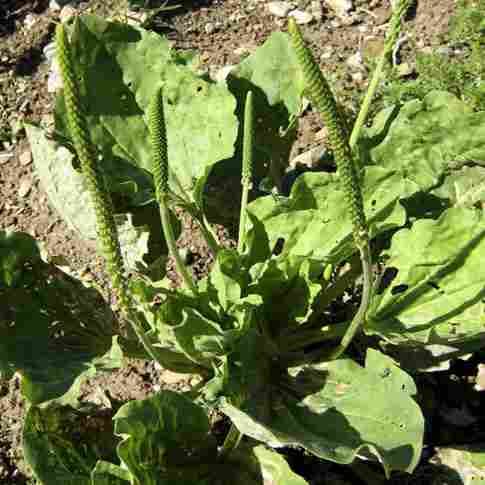
From $19.00
Infused oils · Plantago major & Helianthus annuus · Canada · PED
From $14.00
Infused oils · Hypericum perforatum · Canada · S-BIO
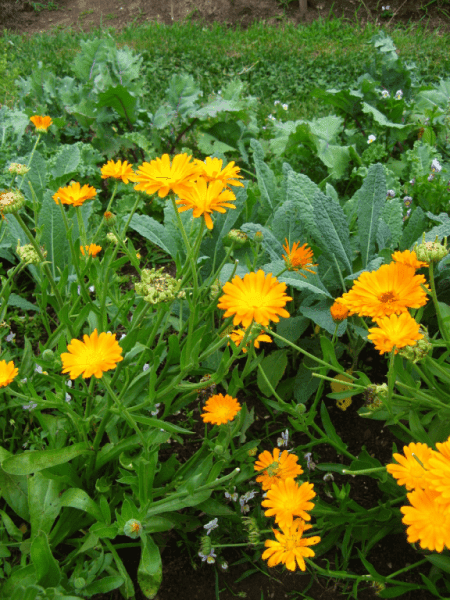
From $11.00
Infused oils · Calendula officinalis · Greece · S-BIO