
Collection
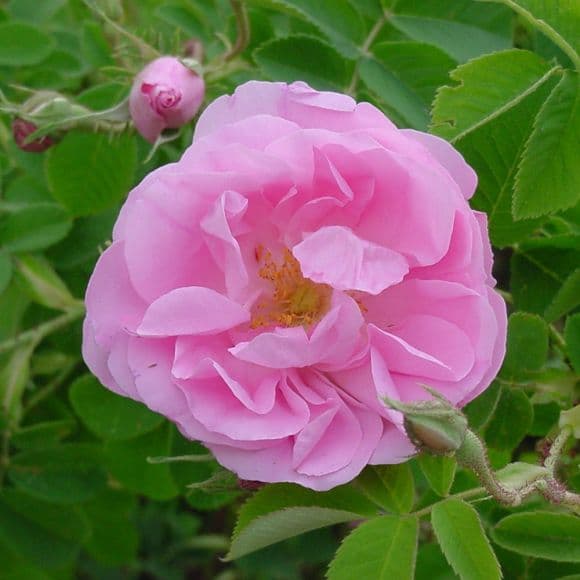
Rose, Damask, Greece


Product code: Not provided
No sizes are currently available.
About this product
This macerate was prepared by infusing arnica flowers in a first cold pressed sunflower oil for several weeks. The oil is transformed into a powerful anti-inflammatory and analgesic as it absorbs the flower’s properties. It is also very effective on bruises. * Do not use on an open wound. For further information about this product or to inquire about larger quantities, please send us an email and we will get back to you as soon as possible. The availability of this product may vary, if for some reason the quantity you have requested is currently unavailable, we will contact you shortly to discuss the best options to fulfill your needs.
Identity and quality
- Botanical name
- Rosa x damascena
- Origin
- Greece
- Plant part
- Fleurs
- Extraction
- maceration in organic olive oil from Greece..
- Cultivation
- C-BIO
Composition and further information
Main components of essential oil Beta-damascenone (molecule mainly responsible for the smell), damascenone, beta-damascone, beta-ionone Terpene derivatives: nerol oxide, rose oxide Monoterpenols: citronellol 30%, geraniol 15 to 25%, nerol 8 to 10%, linalool, alpha-terpineol Terpene aldehydes: geranial, neral Alcohols: phenyl ethyl alcohol Aliphatic hydrocarbons Sesquiterpenols: (Z,Z)-farnesol Phenol and phenol methyl ether: methyl-eugenol, eugenol Oxides: cis- and trans-rose oxide Sesquiterpenes: germacrene D, beta-caryophyllene Esters: geranyl acetate, citronellyl formate, geranyl formate, citronnellyl acetate
A word from Anny Schneider
The maceration of Damask rose is renowned as the essential oil to relieve anxiety, depression, in dysmenorrhea problems in inhalation or self-massage.
Suggested use
Self-massages. In synergy with essential oil of Ylang-ylang, bitter orange, palmarosa, rose geranium.
Documents and certifications
Warnings and storage
Read the product-specific precautions, safety data sheet and usage guidance before use.
- Keep out of reach of children. Do not ingest; seek urgent medical or poison-control advice after accidental ingestion.
- Avoid eyes and mucous membranes. For essential oils, follow dilution guidance and patch-test before use.
- Ask a health professional before using essential oils during pregnancy or breastfeeding, or with epilepsy or asthma.
- Stop use if an adverse reaction occurs. Follow the product-specific restrictions on sun exposure.
- Store in a closed container away from light and heat. This information does not replace medical advice.
Comments
No comments have been published yet.
Write a comment
Our team reviews comments before publication. Your public name and text will be visible. Sign in