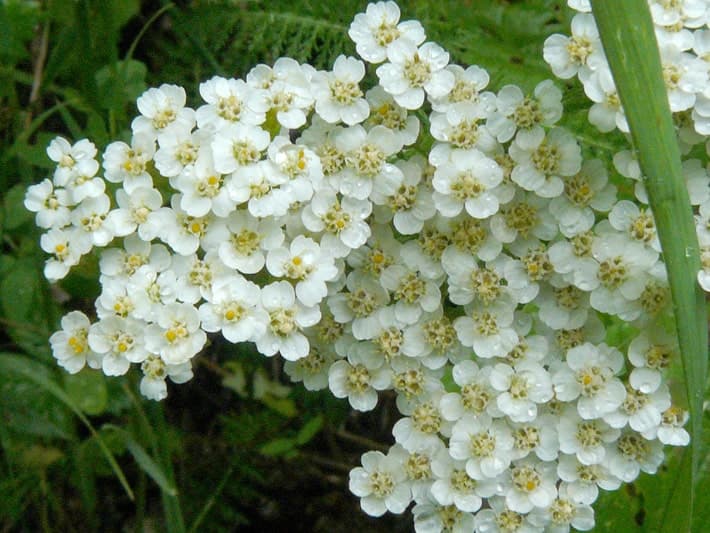
Yarrow,
From $9.00
100% pure and natural essential oils · Achillea millefolium · Slovenia · PED

100% pure and natural essential oils

 Top 100
Product code: EAB263770
Available to order
For further information about this product or to inquire about larger quantities, please send us an email and we will get back to you as soon as possible. The availability and price of this product may vary without prior notice, if for some reason the quantity you have requested is currently unavailable, we will contact you shortly to discuss the best options to fulfill your needs.
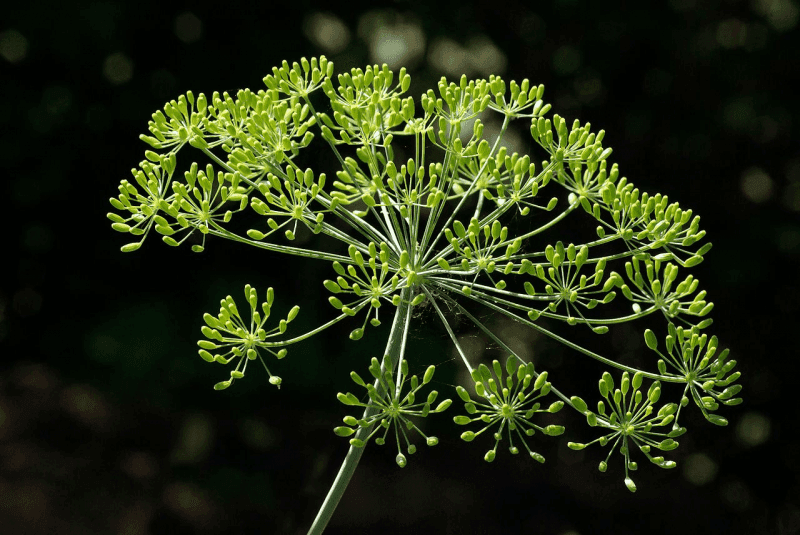
Indian dill, also called stinking fennel, false anise or bastard fennel, is a plant from the important Apiaceae family. Its name "stink" alludes to the fact that it has a very strong smell and not that it smells bad. It is cultivated as a condiment plant for its very aromatic leaves and seeds. The ancient Greeks already used it for its properties but also in ancient Egypt, the Middle East and the East. It is one of the plants whose cultivation is recommended in the royal domains by Charlemagne in the De Villis capitulary (end of the 8th or beginning of the 9th century) The plant contains between 2.5 and 4% essential oil. It is also used in cooking, as a stimulant, digestive, carminative and antispasmodic. Diluted in vegetable oil, it will relieve cramps, colic stomach aches and hiccups. It also helps to soften the aftermath of bereavement, emotional shocks. On the energy level, dill essential oil stimulates the 3rd eye chakra, increases intuition and visualization, thus allowing you to better focus on your life path. Main components of essential oil Fruit: Monoterpenes 30-75%: limonene 15-40%, alpha-phellandrene 20-40%, beta-phellandrene 3-5%, para-cymene 1-5%, sabinene Ketones 20-65%: d-carvone 15-65%, cis-dihydrocarvone = (Z)-dihydrocarvone 2%, trans-dihydrocarvone = (E)-dihydrocarvone 1% Monoterpene oxides < 10%: 3,9-epoxy-p-menth-1-ene 3-8%, alpha-phellandrene epoxide, limonene oxide Monoterpenols: < 1% Cis-carveol, trans-carveol < 1% Dillapiola In fruit EO, d-carvone predominates, up to 65%
Intuition Dill stimulates the chakra of the third eye, increases intuition and visualization. It allows you to better focus on your life path. Digestive, bactericidal, antifungal.
This beautiful Apiacea with golden florets offers complex essence with powerful digestive virtues. Excellent against aerophagia, used in cooking, its seeds embellish for centuries hard to digest dishes. Dill would also help to better target our priorities and open our psychic antennas to better accommodate the magic of the unexpected. Its diluted essential oil, between 5 and 10% in vegetable oil relieves cramps, stomachaches, colic and hiccups.
Known for its digestive properties in massage on the stomach (a few drops diluted in an extra virgin oil) and interesting in a composition of spring perfume. By its aspect of solar collector in golden umbrellas, it also helps to increase our subtle intuitive faculties.
Massages (diluted).
Prohibited in case of pregnancy (suspected to be abortifacient). Forbidden to epileptics, children and the elderly. There is potential neurotoxicity from the essential oil. Possible cutaneous causticity, do not use pure on the skin. It is a plant of the Apiaceae family, check in case of suspected allergies.
* L’aromathérapie énergétique - Lydia Bosson * L’aromathérapie exactement - Pierre Franchomme, Roger Jolis et Daniel Pénoël * L’aromathérapie, Se soigner par les huiles essentielles - Dr Valnet
Read the product-specific precautions, safety data sheet and usage guidance before use.
No comments have been published yet.
Our team reviews comments before publication. Your public name and text will be visible. Sign in
100% pure and natural essential oils
From $9.00
100% pure and natural essential oils · Achillea millefolium · Slovenia · PED
From $9.00
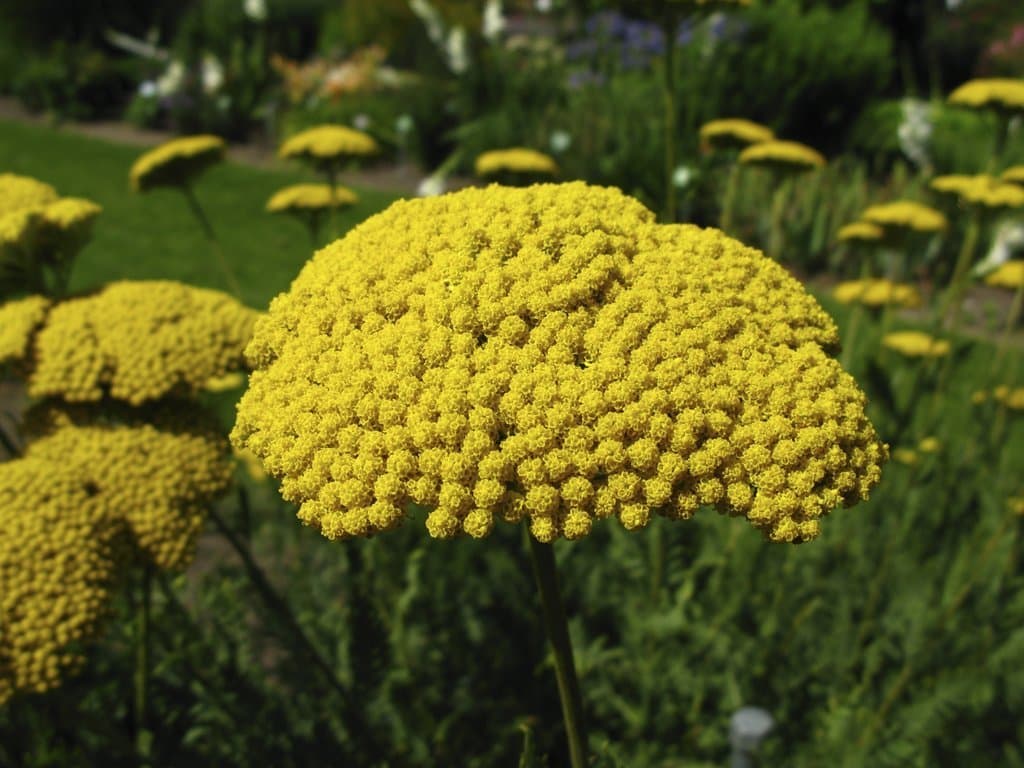
100% pure and natural essential oils · Achillea filipendulina · Bulgaria · SAUV.
From $7.00
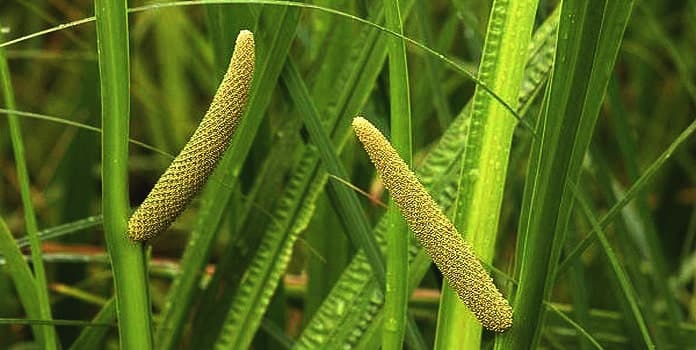
100% pure and natural essential oils · Acorus calamus · Nepal · C-BIO
From $35.00
100% pure and natural essential oils · Prunus armeniaca · Morocco · PED