
Collection
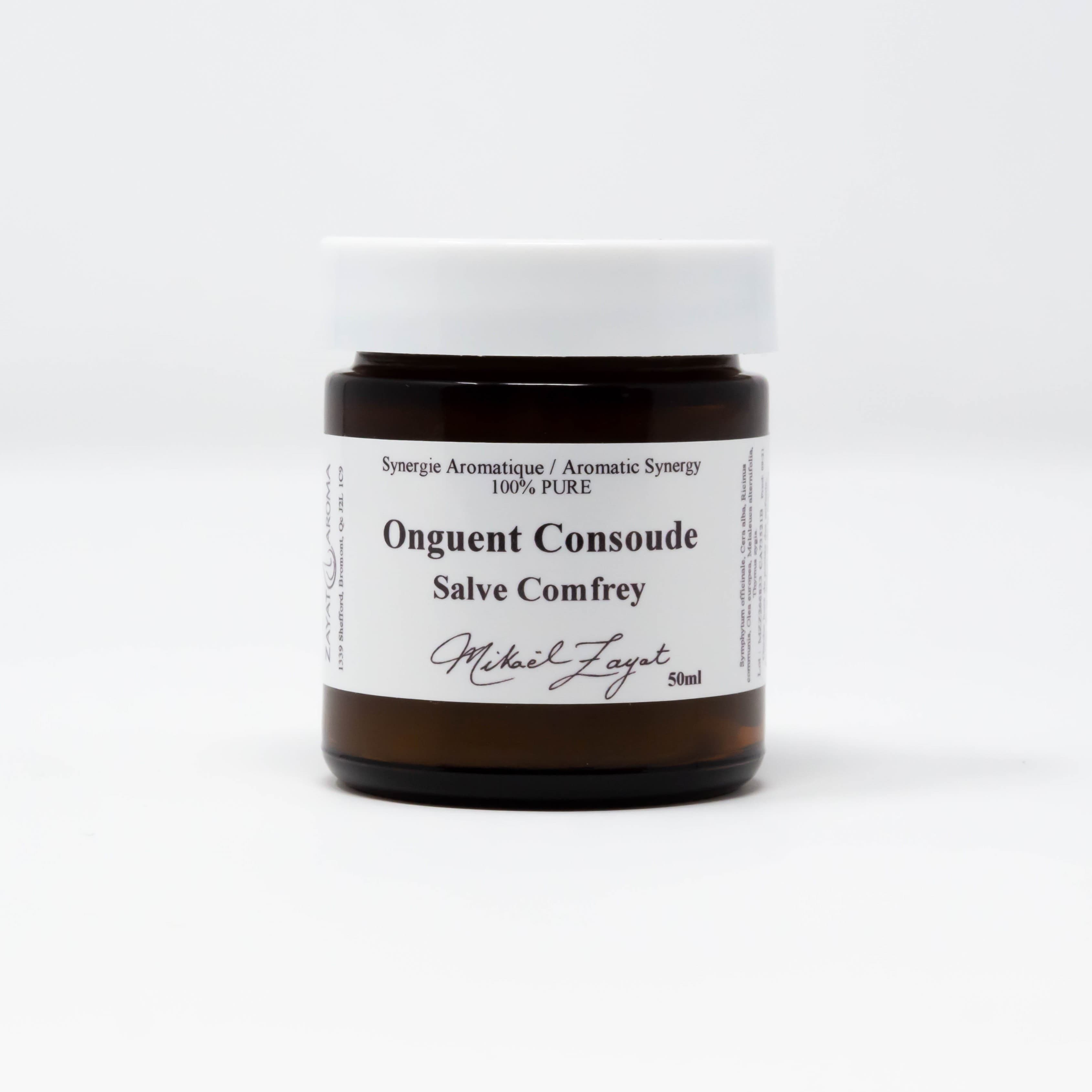
Comfrey, Salve
Product code: Not provided
No sizes are currently available.
About this product
Karosa Balm… for the love of Roses This regenerating balm combines the qualities of shea butter with the virtues of rose essential oil. The Karosa Balm is good for all skin types. Shea butter is extracted form the nuts of a tree that grows in West Africa: Butyrospermum parkii (Sapotaceae family). It has regenerating and repairing properties thanks to the vitamins A, D, and E, which it naturally contains. It helps to protect the skin by providing it with essential fatty acids. The rose essential oil is extracted by steam distillation from petals that were harvested early in the morning before the dew had evaporated. One drop of this essential oil from this “queen of flowers” represents approximately 150 roses. Roses have been known for their medicinal virtues since ancient times. The rose has a positive effect on the state of mind. Its perfume has a harmonizing effect of moods and calms anxiety. On a physical level, rose essential oil has revitalizing, toning, regenerating, anti-wrinkle, and anti-infectious qualities. Properties:Karosa balm protects, and softens, which contributes young and healthy skin. It helps fight premature wrinkling and aging while reestablishing your skin’s natural balance. It contains allantoin, which reinforces the epidermis and prevents stretch marks while deeply moisturizing. Shea butter doesn’t leave a greasy buildup on the skin even though it can sometimes have an oily consistency. It helps preserve the healthy glow of young-looking skin. Shea butter, geranium, palmarosa, rosewood, damask rose
Identity and quality
- Botanical name
- Symphytum officinalis, cire d'abeille, Ricinus communis, Olea europea, Melaleuca alternifolia, Thymus vulgaris.
- Plant part
- Racines et feuilles fraiches
- Extraction
- Macération
- INCI
- Symphytum officinalis extract, Cera alba, Castor oil, Olea europaea (olive) fruit oil, Melaleuca alternifolia leaf oil, Thymus zygis flower oil.
- Appearance
- pâte verte épaisse.
- Odour
- très agréable et fraîche.
Composition and further information
Comfrey has been used for over 2,000 years in traditional medicine. Today, therefore, its use is generally limited to external applications. In several languages, the name of this plant means «unify, weld» (symphytum, consoude, knitback, consuelda, consolida maggiore, etc.), which evokes some of its traditional indications, such as treating fractures and skin wounds with poultices. It is also called: gumplant, knit bone, it is a Borraginaceae. A large perennial plant that can grow up to 1.5 metre in height, its rough, hairy leaves are up to 30 cm long. Can only be used locally, do not swallow, do not use on an open wound.
Suggested use
Treat bruises, sprains, muscle and joint pain. Promote healing of wounds and skin ulcers. Limit topical use of comfrey to a maximum of six weeks per year.
Precautions for use
Limit topical use of comfrey to a maximum of six weeks per year.
References
Wikiphyto FR only Passeportsanté FR only
Documents and certifications
No quality documents available for this product.
Warnings and storage
Read the product-specific precautions, safety data sheet and usage guidance before use.
- Keep out of reach of children. Do not ingest; seek urgent medical or poison-control advice after accidental ingestion.
- Avoid eyes and mucous membranes. For essential oils, follow dilution guidance and patch-test before use.
- Ask a health professional before using essential oils during pregnancy or breastfeeding, or with epilepsy or asthma.
- Stop use if an adverse reaction occurs. Follow the product-specific restrictions on sun exposure.
- Store in a closed container away from light and heat. This information does not replace medical advice.
Comments
No comments have been published yet.
Write a comment
Our team reviews comments before publication. Your public name and text will be visible. Sign in