
Collection
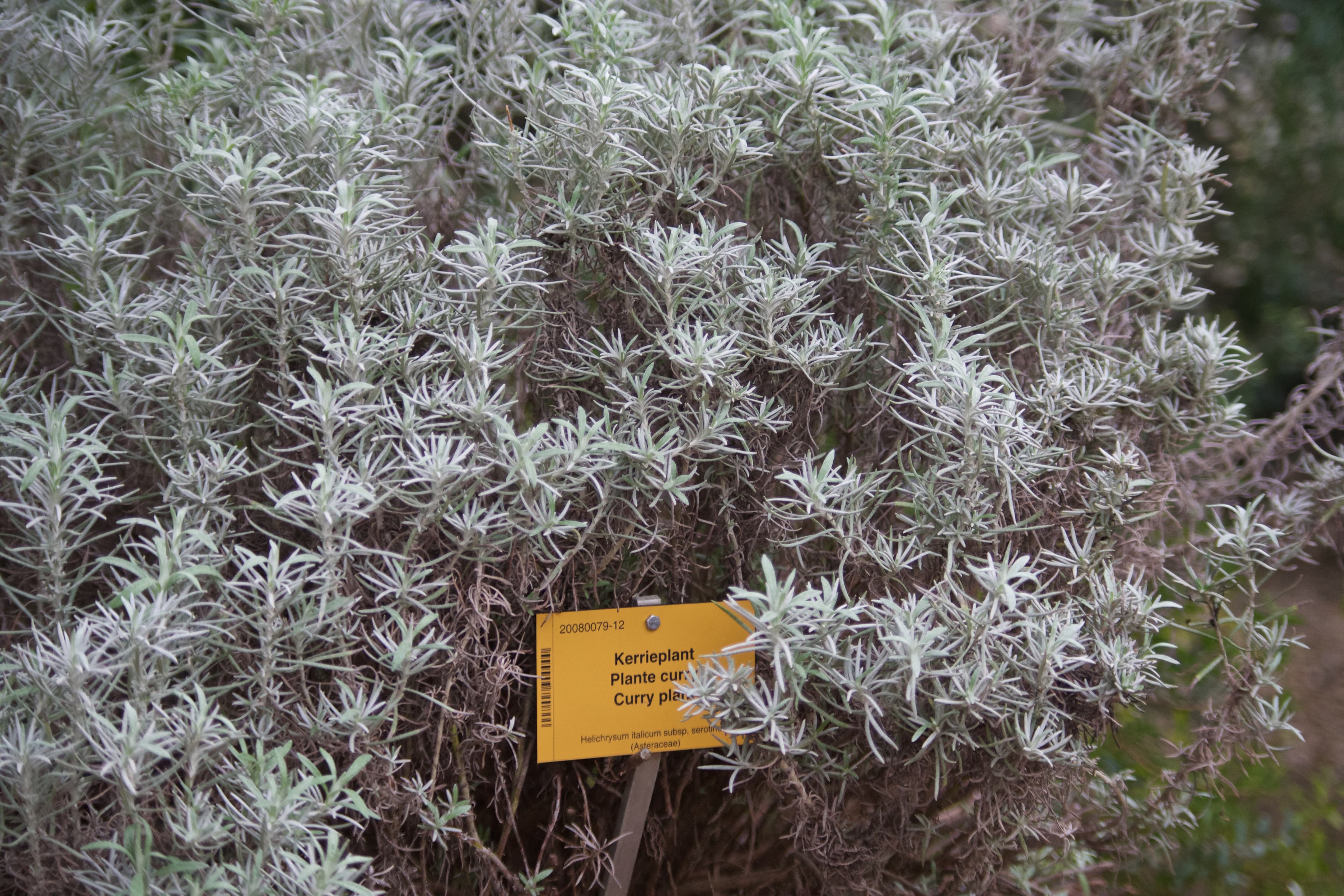
Helichrysum italicum, Greece


Product code: Not provided
No sizes are currently available.
About this product
This macerate was prepared by infusing arnica flowers in a first cold pressed sunflower oil for several weeks. The oil is transformed into a powerful anti-inflammatory and analgesic as it absorbs the flower’s properties. It is also very effective on bruises. * Do not use on an open wound. For further information about this product or to inquire about larger quantities, please send us an email and we will get back to you as soon as possible. The availability of this product may vary, if for some reason the quantity you have requested is currently unavailable, we will contact you shortly to discuss the best options to fulfill your needs.
Identity and quality
- Botanical name
- Helichrysum italicum
- Origin
- Greece
- Plant part
- leaves
- Extraction
- maceration of the wildcraft or organic plants in organic almond or sunflower oil.
- Cultivation
- C-BIO
Composition and further information
It is not for nothing that it is also called "immortal". If you could only take a few essential oils with you to always have in your bag, it is one of those that we recommend as its properties are numerous and recognized since the highest antiquity. It is a shy one, it is only 30 to 50 cm high and its foliage is gray like many Mediterranean plants. It blooms in spring with small yellow flowers (heads) visible from afar and which have the particularity of not withering (hence the name immortelle). The flowers are harvested to distil the precious essential oil. Main components of essential oil Terpene esters: Origin Greece: 7% neryl acetate plus 15% geranyl acetate and geraniol) Ketones (15-20%): diones or betadiones or β-diketones = italidiones: italidione I, II, III (4,6,9-trimethyl-8-decene-3,5-dione = italidione I and 2,4, 6,9-tetramethyl-8-decene-3,5 dione = italidione II) Distillation processes are likely to modify the chemical composition of HE, as is the geographical origin Sesquiterpenes: beta-caryophyllene, alpha-cedrene, gamma-curcumene, alpha-curcumene Monoterpenols: nerol Limonene, 1,8-cineole Greece: geraniol (36%), geranyl acetate (15%), nerolidol (12%)
A word from Mikaël
Creativity Helichryse heals physical and emotional wounds: it helps to heal trauma. Accompanying visualization, it releases creativity. Healing, anti-coagulant, antispasmodic.
A word from Anny Schneider
A cellular regenerator, it is reputed to be the best anti-hematoma essential oil (a drop on the affected area, several times a day until it disappears). Regulator of the blood circulation and the lymph, it is perfectly indicated to treat the phlebitis, the varicose veins, the stretch marks, and of course the bruises and the hematomas of all types. It is also effective for treating skin conditions such as rosacea, acne, wounds, sunburn or psoriasis, thanks to its disinfecting, healing and regenerating properties. Helichrysum works as well on physical blue as it is on emotional blue, especially on wounds and traumas experienced in early childhood. (Lydia Bosson, in L'Aromatherapie énergétique, advises the application of a drop under the soles of the feet, a drop on the solar plexus and a drop on the 3rd eye before falling asleep). It allows to root and calm the nerves live. It helps to get out of difficult situations and to easily take new steps.
Properties — source text
Antiseptic, healing, hemostatic, moisturizing.
Suggested use
The plant to have when hiking or doing sports.
Precautions for use
Potential neurotoxicity (ketones) Low cytotoxic or genotoxic Low risk of interactions Internal route not recommended or at low dosage Moderate allergic risk Prohibited in pregnant women and children Avoid in patients on anticoagulants, likely interactions with antiaggregants No prolonged use
Documents and certifications
Warnings and storage
Read the product-specific precautions, safety data sheet and usage guidance before use.
- Keep out of reach of children. Do not ingest; seek urgent medical or poison-control advice after accidental ingestion.
- Avoid eyes and mucous membranes. For essential oils, follow dilution guidance and patch-test before use.
- Ask a health professional before using essential oils during pregnancy or breastfeeding, or with epilepsy or asthma.
- Stop use if an adverse reaction occurs. Follow the product-specific restrictions on sun exposure.
- Store in a closed container away from light and heat. This information does not replace medical advice.
Comments
No comments have been published yet.
Write a comment
Our team reviews comments before publication. Your public name and text will be visible. Sign in