
Collection
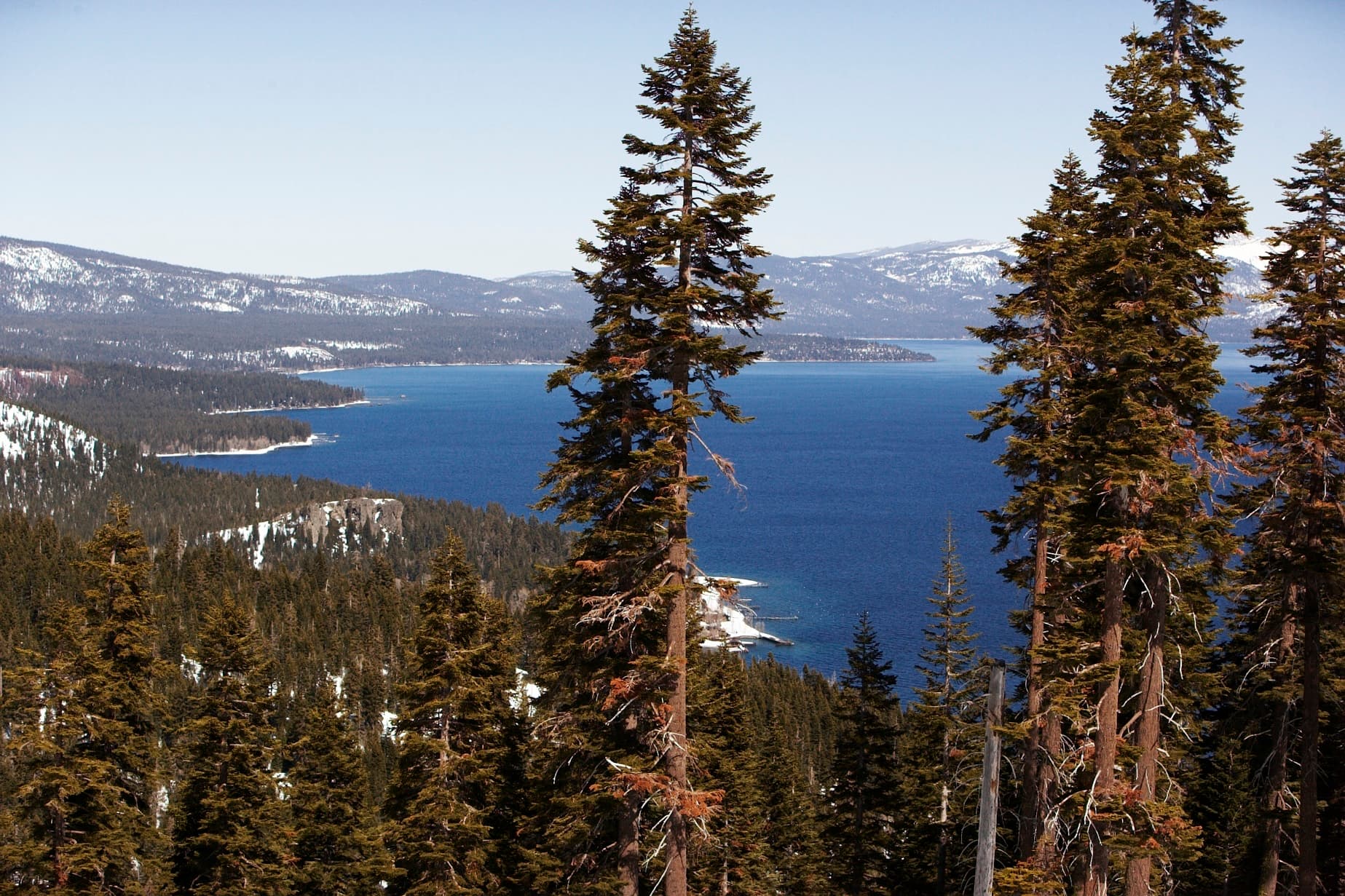
Douglas fir, Canada


Product code: Not provided
No sizes are currently available.
About this product
Identity and quality
- Botanical name
- Pseudotsuga menziesii
- Origin
- Canada
- Plant part
- Needles & Twigs
- Extraction
- Steam distilled
- Cultivation
- S-BIO
- Synonyms
- N/A
- INCI
- PSEUDOTSUGA MENZIESII BRANCH/LEAF WATER
- CAS TSCA
- 8021-28-1
- CAS EINECS
- 308-234-8
- Appearance
- Very pale yellow to clear liquid
- Odour
- Camphoraceous, woody, pleasant sweet pine odor
Composition and further information
The variety Pseudotsuga menziesii from the Pacific coast reaches an average adult size of between 50 and 80 m in height with a diameter of 2 m in its regions of origin. It grows quickly but can live between 400 and 500 years and a few reach the millennium. In nature, it can reach very large dimensions: specimens 100 m high were rarely found and collected at the beginning of the 20th century, but individuals 75 m high and 2 to 3 m in diameter were common in Canada. The tallest Douglas-fir today is the Doerner Fir in Oregon in the United States, with a height of 100.3 m in 1991 (the various measurements since revolve around 100 m), for a trunk of 3.5 m in diameter. Taller specimens are cited in the past, but their measurement is often questioned (one, the Lynn Valley Tree in Canada, 126 m tall, and a more dubious one, the Nooksack Giant in Washington state in the United States. United, 142 m). A much better documented specimen, the Mineral Tree, fell in 1930 in Washington state. The latter was measured several times from 1911, notably in 1925, with a height of 393 feet (nearly 120 m). The Douglas is therefore a strong candidate for the title of tallest tree species in the world in modern times, but currently the tallest species in the world is by far Sequoia sempervirens. The most voluminous Douglas-fir is currently the Red Creek Fir on Vancouver Island in Canada, with a diameter of 4.2 m, a height of 73.8 m (it lacks its crown) for a volume of 349 m3. Its age is estimated to be around a millennium. Another impressive specimen from Canada is the Big Lonely Doug, also on Vancouver Island, preserved and solitary in the midst of a recent clear cut, fully visible, which made it famous. It is also the second largest Douglas-fir listed in the country.
Properties — source text
Douglas fir is positive, neurotonic, energizing, it strengthens vital energy.
Suggested use
Douglas fir essential oil has a stimulating action on lymphatic circulation that can be found in the hydrosol. Douglas fir hydrosol can be used in making sauces, syrups and sorbets.
References
L'aromathérapie exactement – P. Franchomme, R. Jollois, D. Pénoël – Editions Roger Jollois
Documents and certifications
Warnings and storage
Read the product-specific precautions, safety data sheet and usage guidance before use.
- Keep out of reach of children. Do not ingest; seek urgent medical or poison-control advice after accidental ingestion.
- Avoid eyes and mucous membranes. For essential oils, follow dilution guidance and patch-test before use.
- Ask a health professional before using essential oils during pregnancy or breastfeeding, or with epilepsy or asthma.
- Stop use if an adverse reaction occurs. Follow the product-specific restrictions on sun exposure.
- Store in a closed container away from light and heat. This information does not replace medical advice.
Comments
No comments have been published yet.
Write a comment
Our team reviews comments before publication. Your public name and text will be visible. Sign in