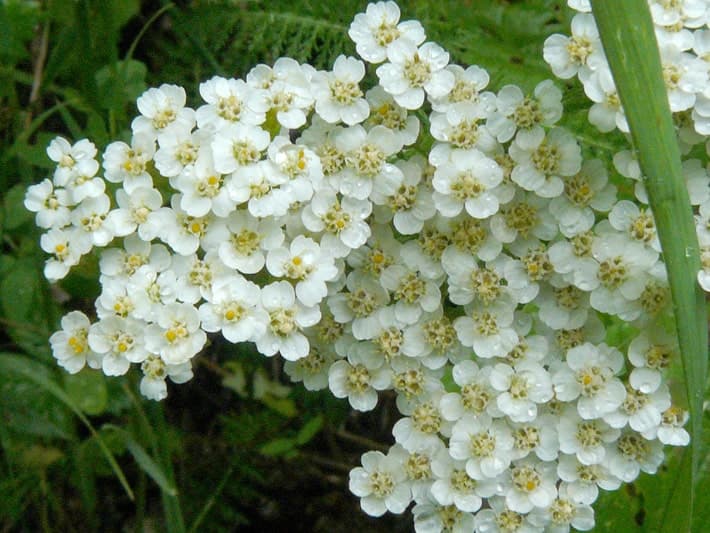
Yarrow,
From $9.00
100% pure and natural essential oils · Achillea millefolium · Slovenia · PED

100% pure and natural essential oils

Product code: EAB848365
Available to order
For further information about this product or to inquire about larger quantities, please send us an email and we will get back to you as soon as possible. The availability and price of this product may vary without prior notice, if for some reason the quantity you have requested is currently unavailable, we will contact you shortly to discuss the best options to fulfill your needs.
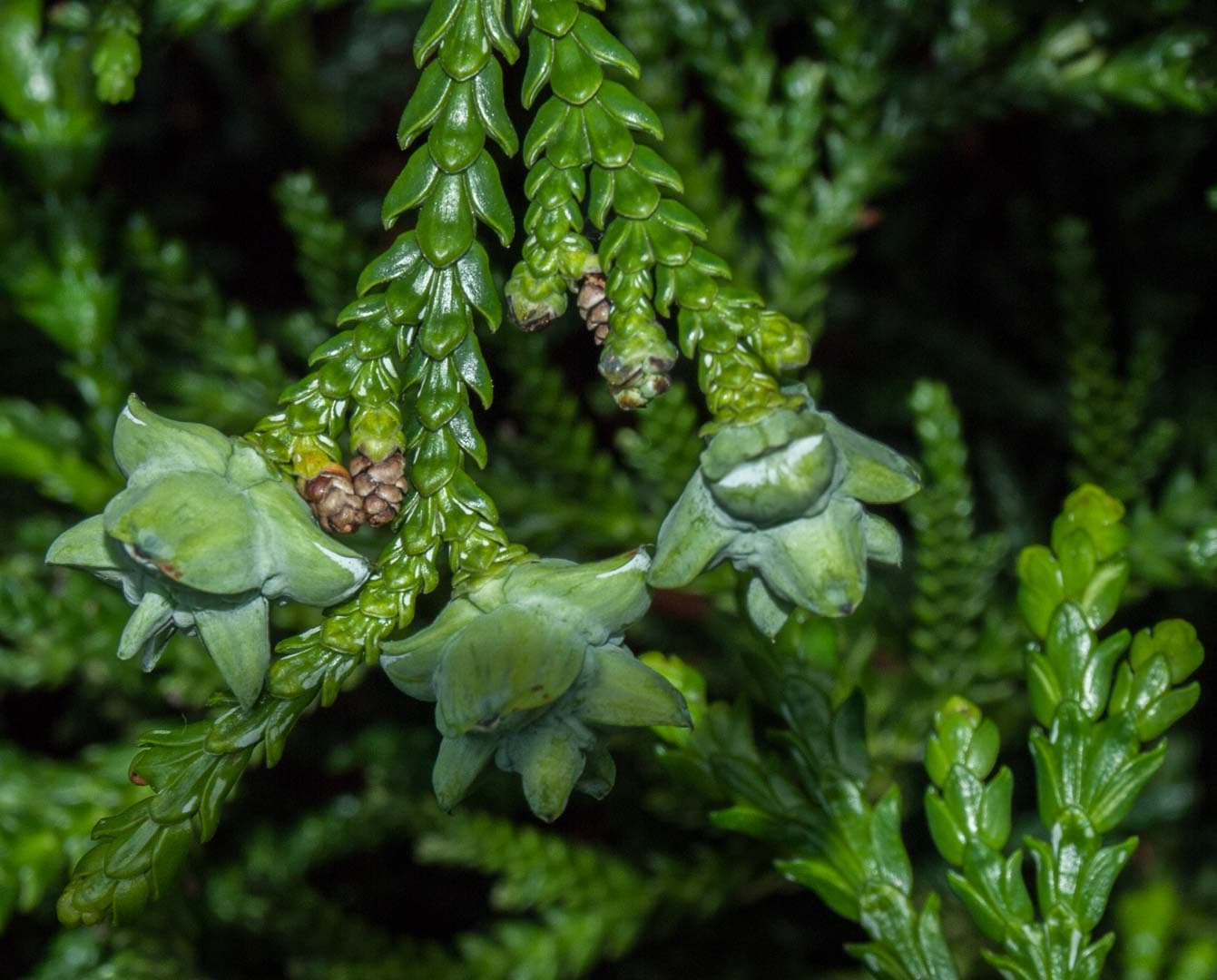
Thujopsis (pronounced "Thuyopsis") is a genus of conifers endemic to Japan, comprising a single species, Thujopsis dolabrata. It is often called Hiba and is distinguished from its neighbor, Thuja, by broader leaves and thicker cones. It goes by several names: asunaro (あすなろ), false arborvitae, or Hiba arborvitae, Hiba cedar. This evergreen tree can reach 40 meters in height and 10 meters in diameter, with a characteristic reddish-brown bark. The leaves are thick and arranged in decussate pairs, while the cones are ovoid and covered with a violet wax. Thujopsis is historically significant in Japan, being one of the "Five sacred trees of Kiso", and is widely used in construction, lacquer work, and wood carving. It is also associated with Tsuga diversifolia forests. Hiba is rich in Hinokitiol, a powerful antibacterial agent, and is used in therapy to treat various skin conditions, including eczema. Its strong fragrance, combined with its therapeutic use, makes it a popular choice for diffusion or inhalation, creating an authentic Japanese ambiance. Hiba embodies both a Japanese cultural symbol and a valuable resource for health and craftsmanship.
This Asian tree from the cupressaceae family has similar effects to our cedar (thuya). Depurative, anti viral and anti-inflammatory. Used diluted in 80% vegetable oil.
Essential oil from a rare conifer originating from Nepal with astringent and bactericidal effects similar to cypress and thuja. Helps with decision-making, with clarity. Useful in therapy in topical preparations for conditions such as eczema, soothing itching (does not affect potential secondary infections).
popular choice for diffusion or inhalation
No quality documents available for this product.
Read the product-specific precautions, safety data sheet and usage guidance before use.
No comments have been published yet.
Our team reviews comments before publication. Your public name and text will be visible. Sign in
100% pure and natural essential oils
From $9.00
100% pure and natural essential oils · Achillea millefolium · Slovenia · PED
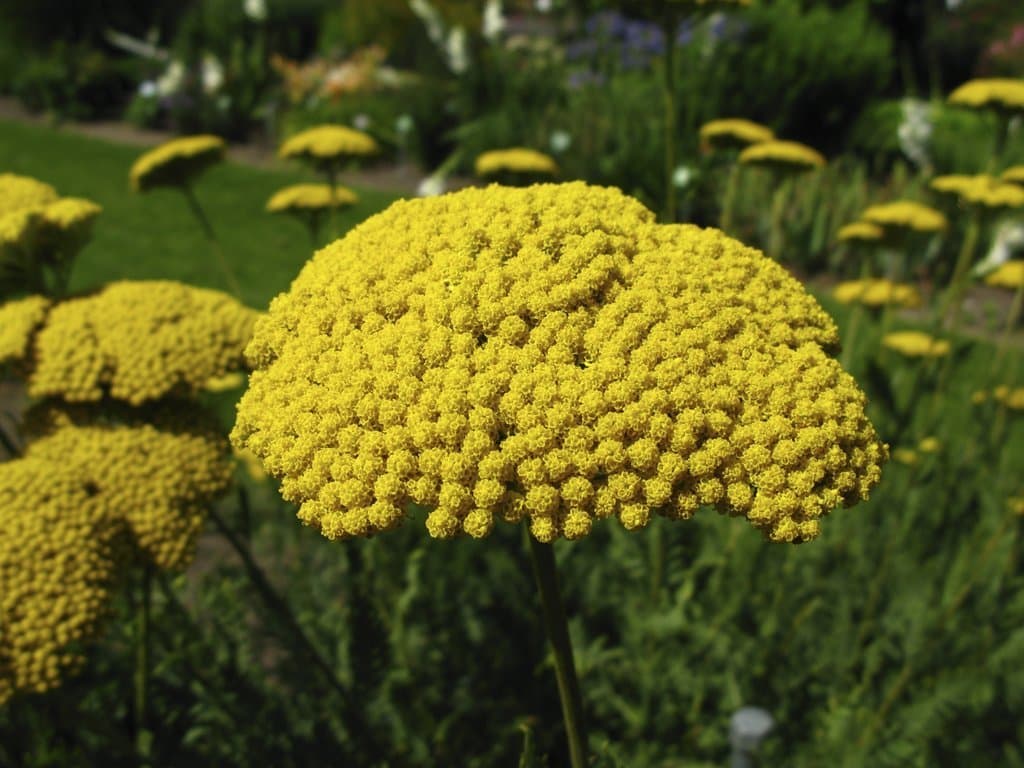
From $9.00
100% pure and natural essential oils · Achillea filipendulina · Bulgaria · SAUV.
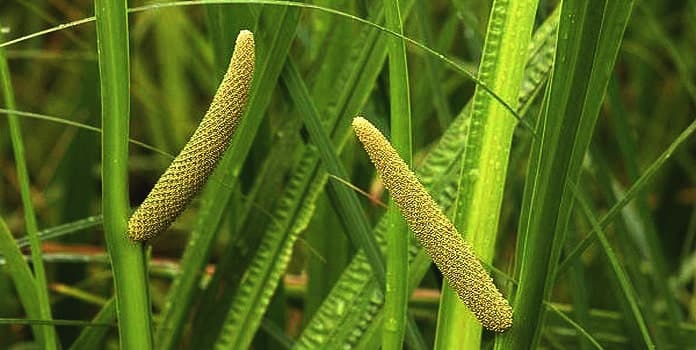
From $7.00
100% pure and natural essential oils · Acorus calamus · Nepal · C-BIO
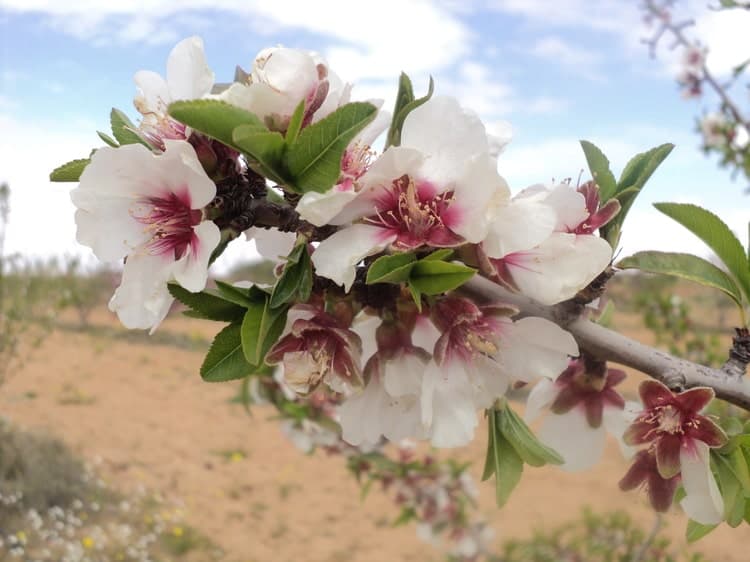
From $35.00
100% pure and natural essential oils · Prunus armeniaca · Morocco · PED