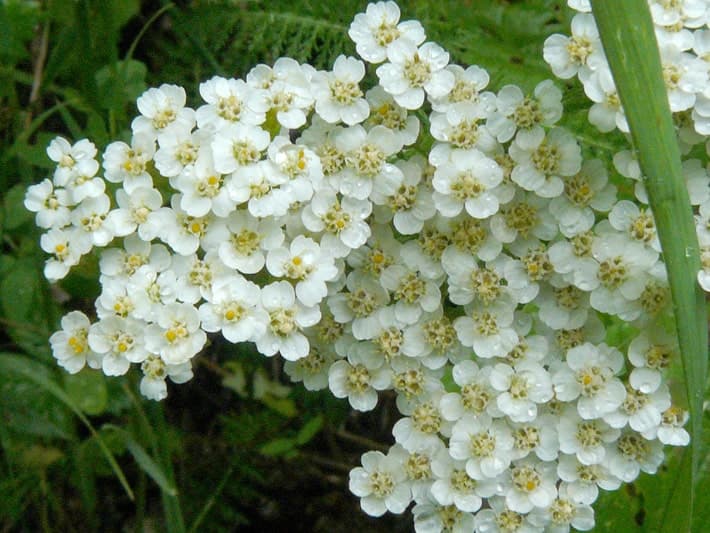
Yarrow,
From $9.00
100% pure and natural essential oils · Achillea millefolium · Slovenia · PED

100% pure and natural essential oils

 New
Product code: EAB624423
Available to order
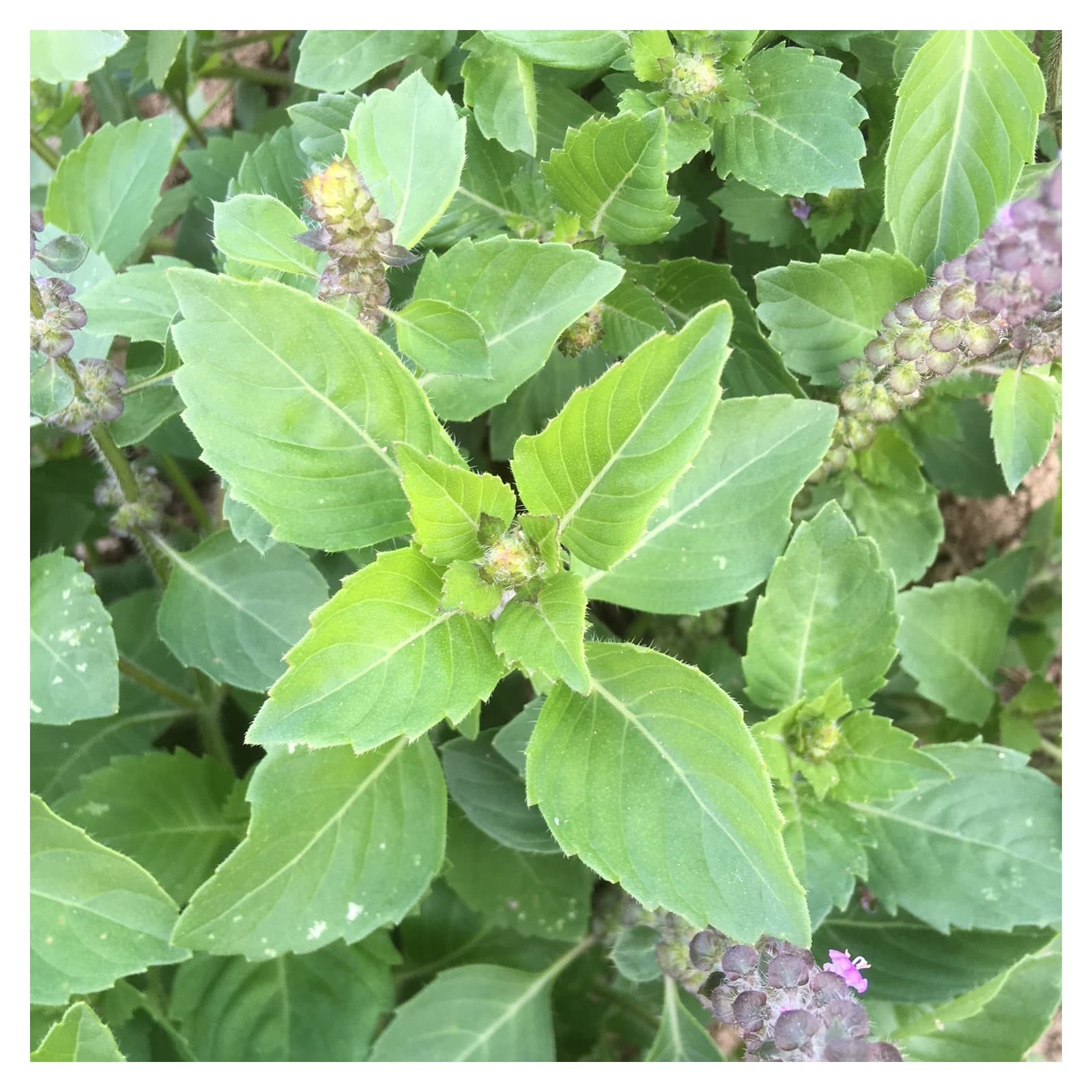
Holy basil, traditionally used in Ayurvedic medicine, has a wonderfully warm and spicy aroma. In Sanskrit, it is called Tulsi, which translate to the unique and incomparable. It helps us remember our own strengths and why we are unique and incomparable. For further information about this product or to inquire about larger quantities, please send us an email and we will get back to you as soon as possible. The availability or price of this product may vary without prior notice, if for some reason the quantity you have requested is currently unavailable, we will contact you shortly to discuss the best options to fulfill your needs.
In India, the tulsi is placed as an offering to the protective god Vishnu, and to the savior god Krishna, it is supposed to protect the dead in the other world. In Thailand, it is grown near Buddhist temples. Main components of essential oil Phenol: eugenol 50% and methyl-eugenol Sesquiterpenes: beta-caryophyllene 30 to 35%, alpha-humulene, alpha-copaene, delta-cadinene Monoterpenes: alpha-pinene, limonene (in small amounts) Monoterpenols: geraniol, citronellol, borneol (in small quantities) Sesquiterpenols: elemol, alpha-cadinol, gamma-eudesmol (in small quantities) Phenol methyl ether: estragole (in small quantities) Aldehydes: geranial, neral (in small quantities) Oxide: 1,8-cineole (in small quantities)
Hindus has used it for centuries in medicine: it is considered sacred, and was found planted around temples and graves. It has been used to treat poisonous snake and insect bites. This member of the mint family has a slightly licorice aroma. Sweet basil is an antidepressant, is antiseptic and antispasmodic. Good for the skin, it can be used topically for insect bites (in association with spike lavender), and for relief of muscular aches and pains. It also helps relieve indecisionand doubts, lack of direction. It brightens moods, strengthen the nervous system, improves mental clarity and memory, also relieves headache and sinusitis.
This Holy Basil (also called Tulsi), is considered a sacred herb in India, where it is drunk as an herbal tea, or added in several recipes. Diluted in a plant based oil, it is applied on the nerve plexuses close to the source of imbalance, it then calms, decongests and soothes the nerve and muscular pains.
HE is a repellent against Aedea aegypti (which is the main vector of dengue fever, Zika virus infection, chikungunya and yellow fever) according to Tawatsin A, Asavadachanukorn P, Thavara U, Wongsinkongman P, Bansidhi J , Boonruad T, Chavalittumrong P, Soonthornchareonnon N, Komalamisra N, Mulla MS. Repellency of essential oils extracted from plants in Thailand against four mosquito vectors (Diptera: Culicidae) and oviposition deterrent effects against Aedes aegypti (Diptera: Culicidae). Southeast Asian J Trop Med Public Health. 2006 Sep;37(5):915-31.
Risque d'allergies potentielles. Éviter chez la femme enceinte.
* L’aromathérapie énergétique - Lydia Bosson * L’aromathérapie exactement - Pierre Franchomme, Roger Jolis et Daniel Pénoël * L’aromathérapie, Se soigner par les huiles essentielles - Dr Valnet
Read the product-specific precautions, safety data sheet and usage guidance before use.
No comments have been published yet.
Our team reviews comments before publication. Your public name and text will be visible. Sign in
100% pure and natural essential oils
From $9.00
100% pure and natural essential oils · Achillea millefolium · Slovenia · PED
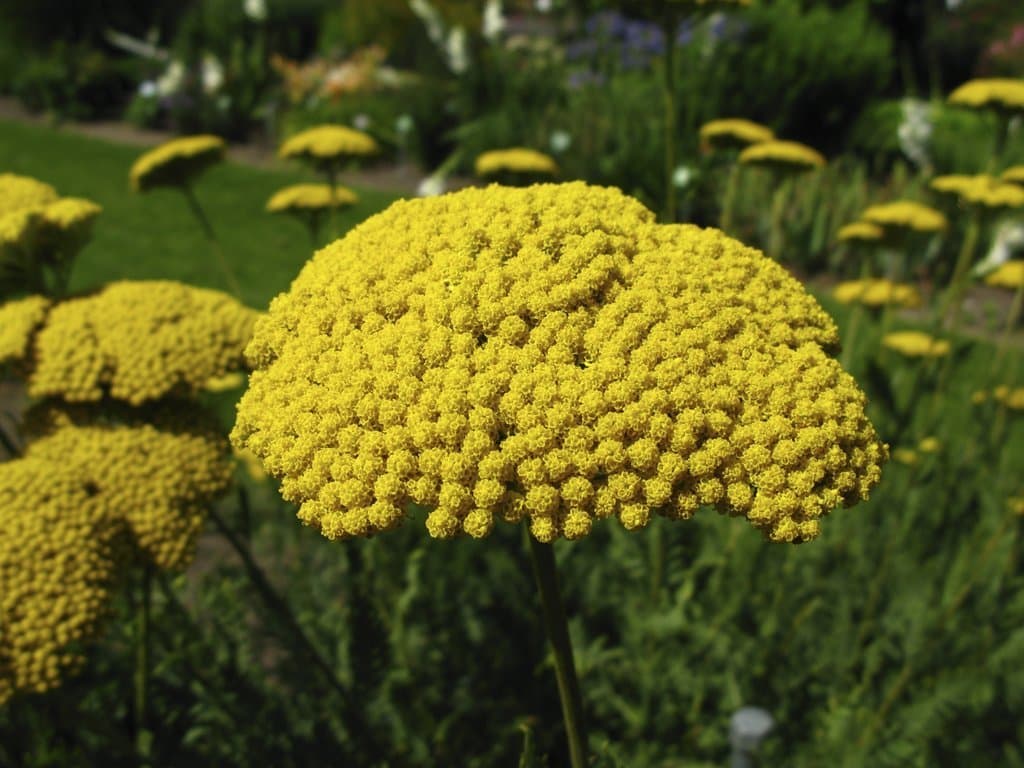
From $9.00
100% pure and natural essential oils · Achillea filipendulina · Bulgaria · SAUV.
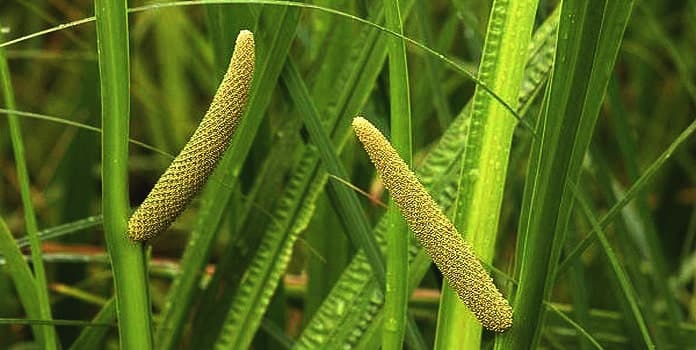
From $7.00
100% pure and natural essential oils · Acorus calamus · Nepal · C-BIO
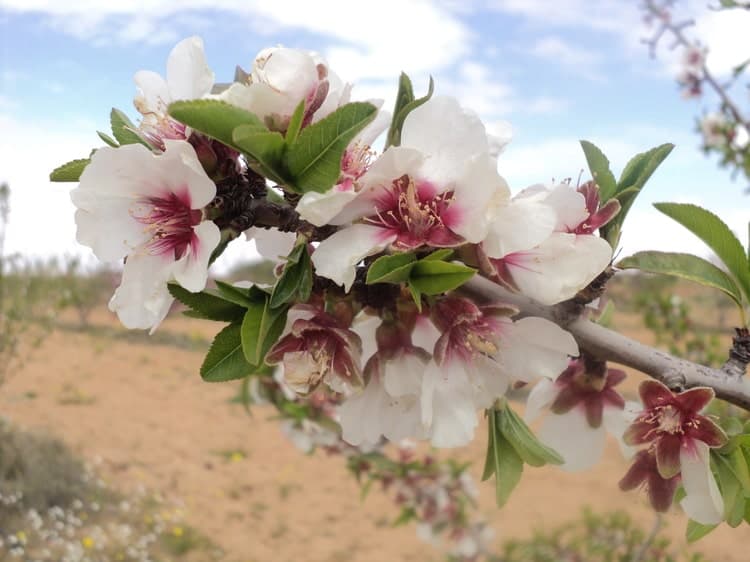
From $35.00
100% pure and natural essential oils · Prunus armeniaca · Morocco · PED