
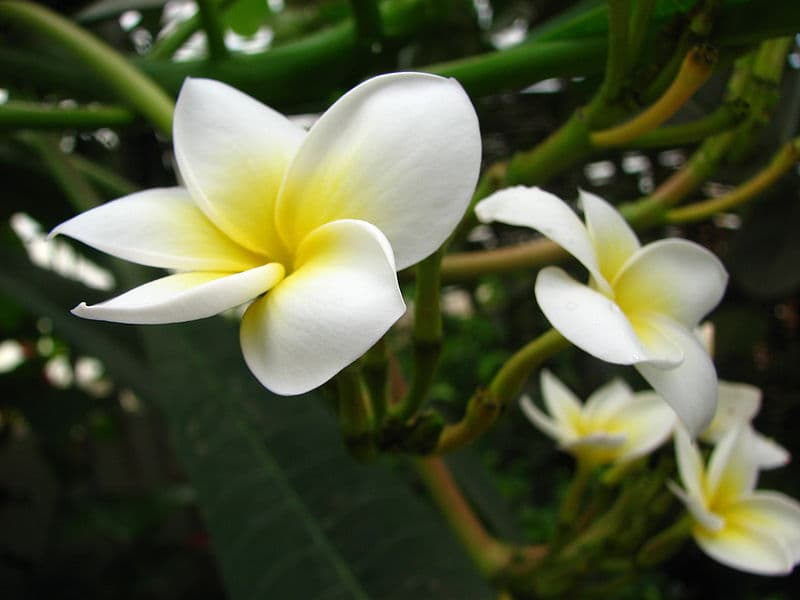
Collection
Frangipani, absolute, 10%, India
Product code: Not provided
No sizes are currently available.
About this product
This product is currently unavailable. You can still place a pre-order and we will get back to you with an estimated delay for our reception of stock. Thank you for your understanding.
Identity and quality
- Botanical name
- Plumeria alba
- Origin
- India
- Plant part
- Flowers
- Extraction
- Solvent extraction
- Cultivation
- CONV.
- Synonyms
- N/A
- INCI
- Plumeria alba flower extract
- CAS EINECS
- N/A
- Odour
- Characteristic odor
Composition and further information
They are generally deciduous shrubs. Plumeria flowers are very fragrant, but do not yield nectar. Their scent is strong at night, to entice hawkmoth moths to pollinate them by transferring pollen from flower to flower in their fruitless search for nectar. There are more than 370 Frangipani cultivars around the world. The genus plumeria is named for the 17th-century French botanist and Catholic monk Charles Plumier, who traveled to the New World documenting many plant and animal species. The common name "frangipani" comes from a 16th century marquis of the noble Frangipani family in Italy, who created a synthetic fragrance resembling a plumeria. In Southeast Asia, the plumeria tree and flower are considered sacred. A relief in the Borobudur temple, on the 1st area of the west side, also depicts the plumeria. These landforms were created before European exploration. Borobudur was built in the 9th century and Penataran in the 14th century. In eastern India and Bangladesh, plumeria is traditionally considered a variety of the champak flower, golok chapa (গলোক চাঁপা), meaning the champaka that resides in the heavenly home of The flower, considered sacred, is also known as gulancha and kath golap (literally wooden rose).
A word from Anny Schneider
This tropical flower with heady aroma, sweet and vanilla gives an absolute very popular as an adjuvant to the finest fragrances. This concentrate is highly appreciated in massage oils, soaps and soothing and exhilarating bubble baths.
Documents and certifications
Warnings and storage
Read the product-specific precautions, safety data sheet and usage guidance before use.
- Keep out of reach of children. Do not ingest; seek urgent medical or poison-control advice after accidental ingestion.
- Avoid eyes and mucous membranes. For essential oils, follow dilution guidance and patch-test before use.
- Ask a health professional before using essential oils during pregnancy or breastfeeding, or with epilepsy or asthma.
- Stop use if an adverse reaction occurs. Follow the product-specific restrictions on sun exposure.
- Store in a closed container away from light and heat. This information does not replace medical advice.
Comments
No comments have been published yet.
Write a comment
Our team reviews comments before publication. Your public name and text will be visible. Sign in