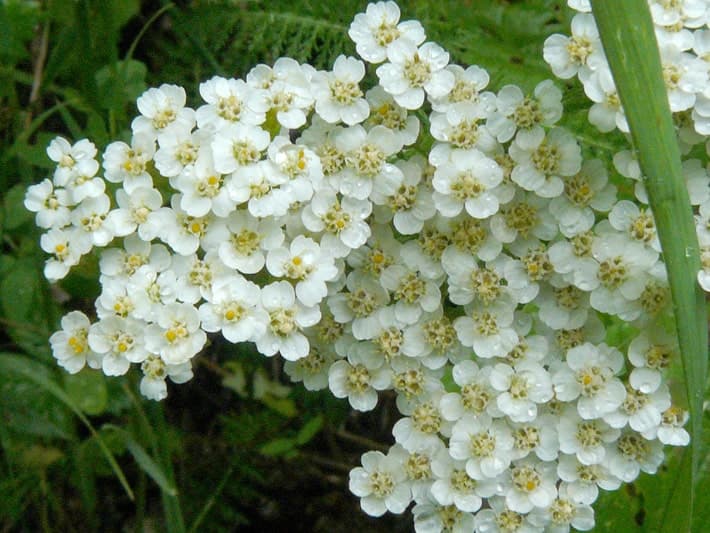
Yarrow,
From $9.00
100% pure and natural essential oils · Achillea millefolium · Slovenia · PED

100% pure and natural essential oils
 Top 100
Product code: EAB635785
Available to order
For further information about this product or to inquire about larger quantities, please send us an email and we will get back to you as soon as possible. The availability and price of this product may vary without prior notice, if for some reason the quantity you have requested is currently unavailable, we will contact you shortly to discuss the best options to fulfill your needs.
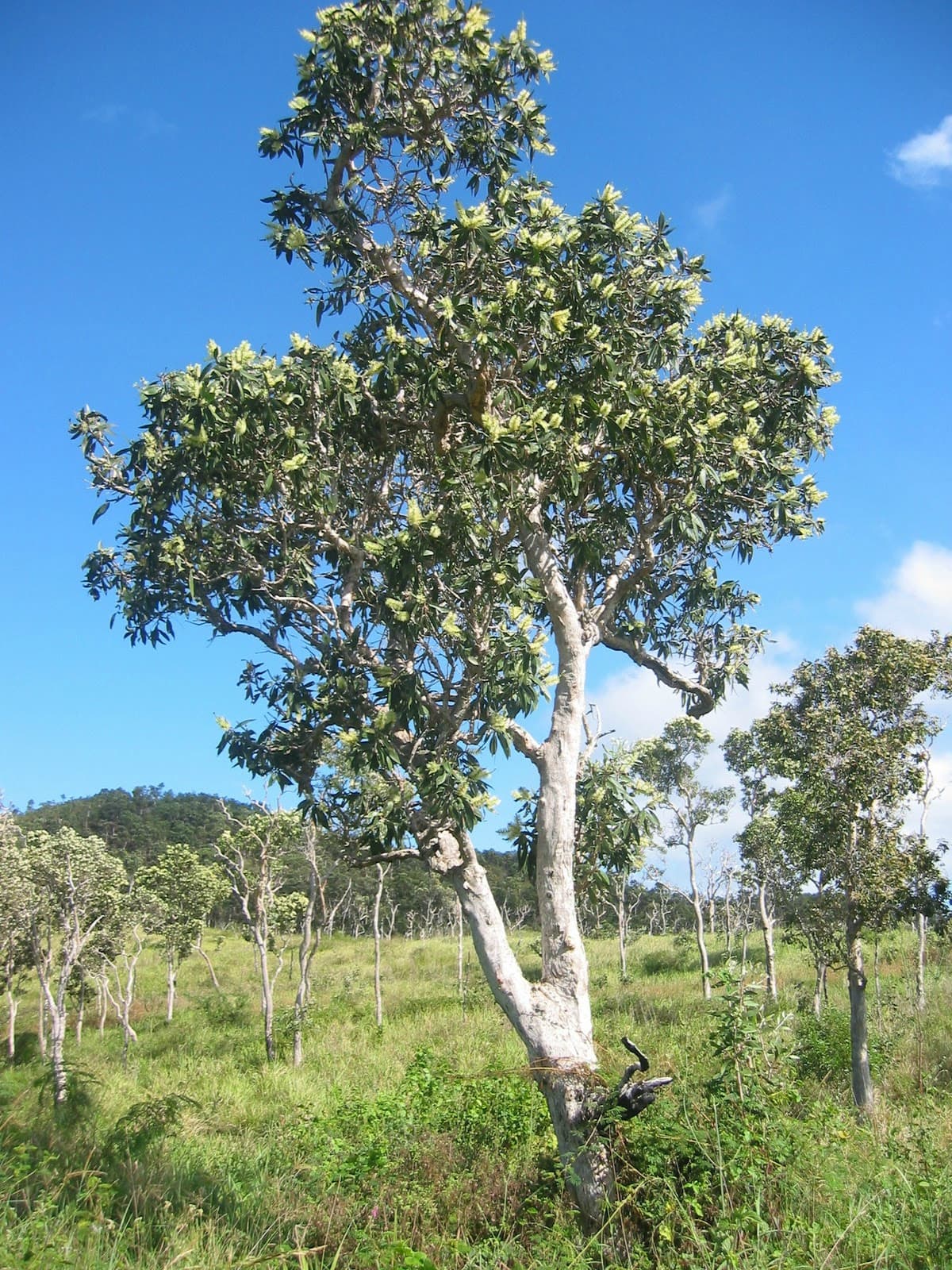
The niaouli is a tree from Papua New Guinea, Australia and New Caledonia, it is a Myrtaceae. It is grown in New Caledonia and Madagascar. It is planted for its wood (posts, paper pulp, lumber...), the honey which is collected by bees from its flowers and of course the essential oil produced by the leaves. The term niaouli derives from yauli in the language of the Bélep archipelago in the far north of Grande Terre in the Hoot ma Waap customary area (New Caledonia). It is also called the “skin tree”, due to the bark exfoliating into large patches of “skin” that detach from the trunk. Australians compare them to sheets of paper, which explains the name Paper Bark Tea Tree or Broad-leaved paper bark they give to the tree. It is a tree about 12 m high but can reach 25 m. It has evergreen, lanceolate, fragrant and leathery leaves. The leaves have 5 parallel veins hence the name "quinquenervia". In the Kanak culture, the niaouli is an emblematic plant to the point that it gave its name to the soldiers of the 1st World War who went to fight in Europe. Traditionally, newborns from the Kanak tribes are wrapped in niaouli bark to protect them and give them strength. the essential oil is reputed to be anti-infectious, febrifuge, estrogen-like and would be radio-protective. Main components of essential oil 110 components including the main ones: Terpene oxides: 1,8-cineole (40-60%) Monoterpenes: alpha-pinene, limonene, beta-pinene, para-cymene, gamma-terpinene, myrcene Monoterpene alcohols: alpha-terpineol, terpinene 1-ol-4 (= terpinene-4-ol), alpha-terpineol (9-14%) Sesquiterpene alcohols: viridiflorol (6-15%), nerolidol (1-7%), ledol Sesquiterpenes: beta-caryophyllene, ledene Monoterpene esters: alpha-terpenyl acetate There are various chemotypes Two major chemotypes: E-nerolidol (74–95%) and linalool in varying proportions (14–40%) 1,8-cineole (10–75%), viridiflorol (13–66%), alpha-terpineol (0.5–14%) and beta-caryophyllene (0.5–28%) and essential oil yields of Melaleuca quinquenervia are higher (1-3%) at latitudes south of 25° S
Centering Comforts by promoting mental clarity; allows the mind to center itself and regain its lightness. Inner strength is reborn. with it, the self-confidence that dispels fears and allows you to move forward. Stimulating, bactericidal, decongestant, antiviral, antifungal.
This certified organic Melaleuca, less known than its cousin the tea tree, is a powerful antihistamine, decongestant and fluidifying mucus. Niaouli is also effective against certain seasonal bacteria and viruses. It is a good choice to inhale via a diffuser or otherwise, 5 to 7 drops in hot water, but not too close to the container.
Applied on the 3rd eye or the nape of the neck, it dispels mental confusion and helps to better concentrate. Niaouli acts on the sinuses and the respiratory tract by helping to clear the lungs and sinuses. It can also be applied directly to minor wounds and fungal infections.
Inhalation. Fumigation. Diffusion. Massages and self-massages (diluted).
Avoid during pregnancy and with children under 6 years of age. Skin irritation possible in pure form.
* L’aromathérapie énergétique - Lydia Bosson * L’aromathérapie exactement - Pierre Franchomme, Roger Jolis et Daniel Pénoël * L’aromathérapie, Se soigner par les huiles essentielles - Dr Valnet
Read the product-specific precautions, safety data sheet and usage guidance before use.
No comments have been published yet.
Our team reviews comments before publication. Your public name and text will be visible. Sign in
100% pure and natural essential oils
From $9.00
100% pure and natural essential oils · Achillea millefolium · Slovenia · PED
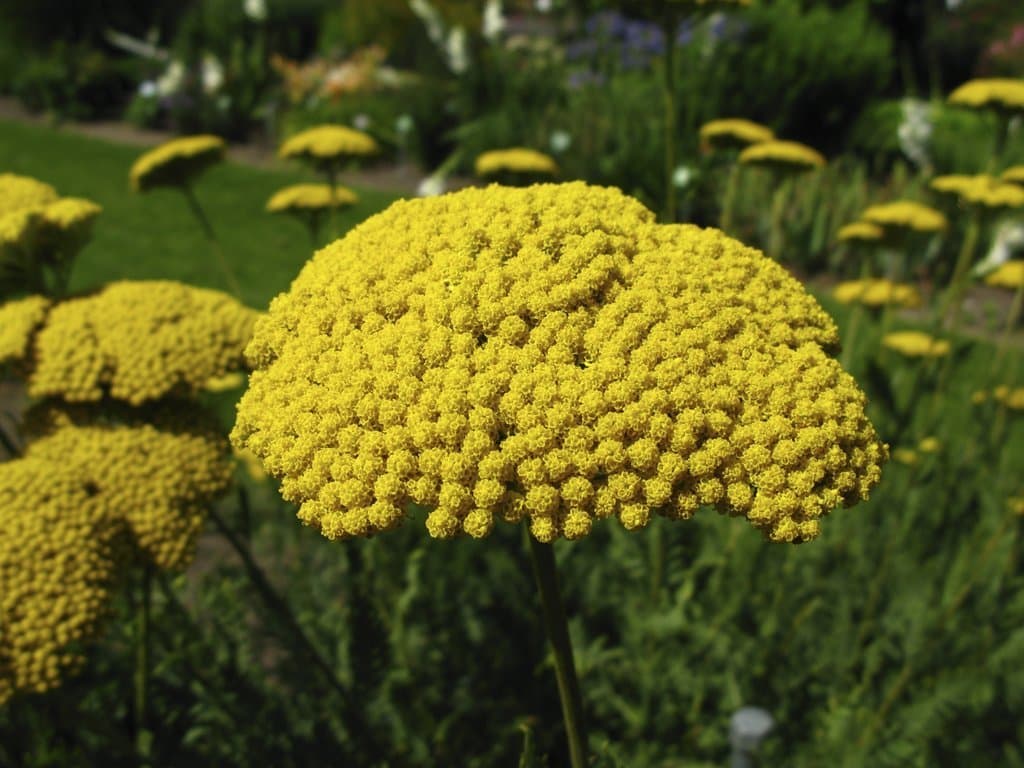
From $9.00
100% pure and natural essential oils · Achillea filipendulina · Bulgaria · SAUV.
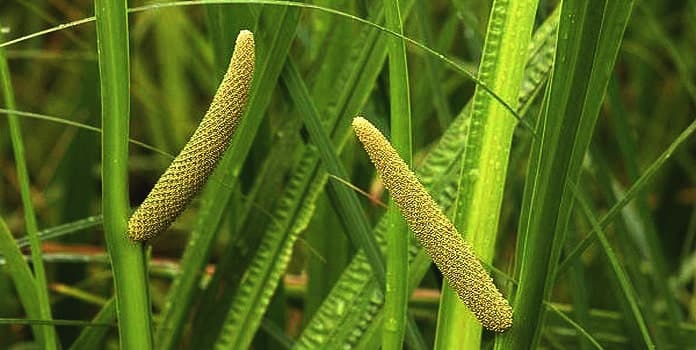
From $7.00
100% pure and natural essential oils · Acorus calamus · Nepal · C-BIO
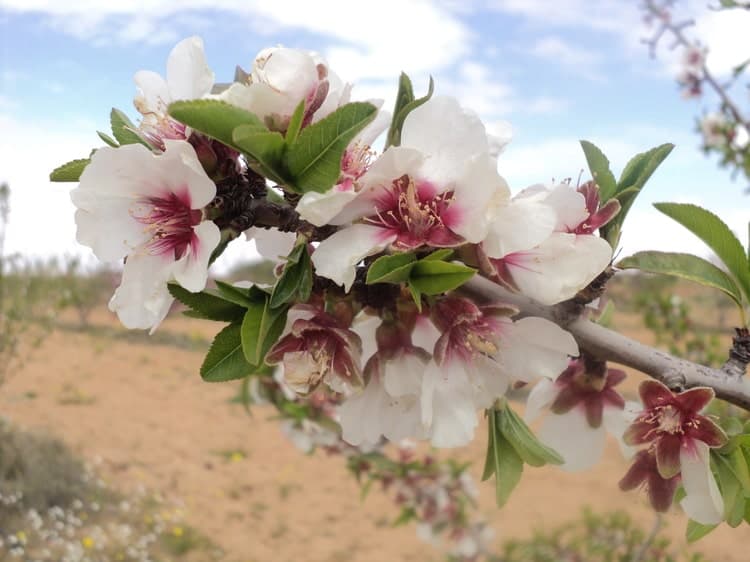
From $35.00
100% pure and natural essential oils · Prunus armeniaca · Morocco · PED