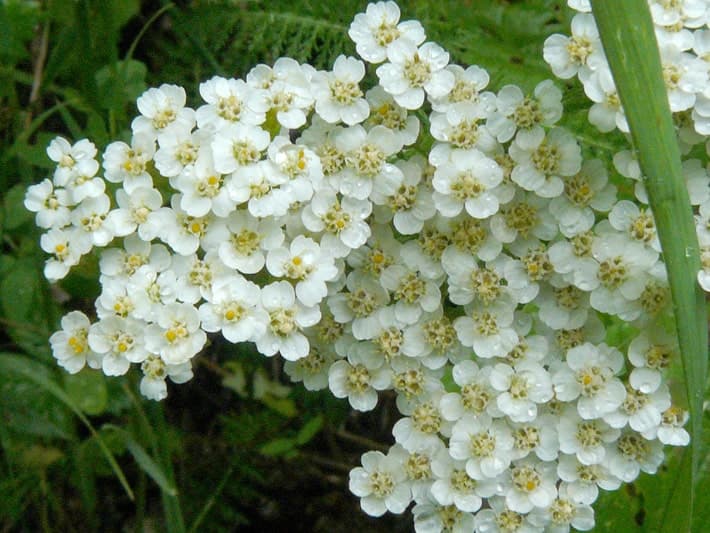
Yarrow,
From $9.00
100% pure and natural essential oils · Achillea millefolium · Slovenia · PED

100% pure and natural essential oils
Product code: EAC148288
Available to order
For further information about this product or to inquire about larger quantities, please send us an email and we will get back to you as soon as possible. The availability and price of this product may vary without prior notice, if for some reason the quantity you have requested is currently unavailable, we will contact you shortly to discuss the best options to fulfill your needs.
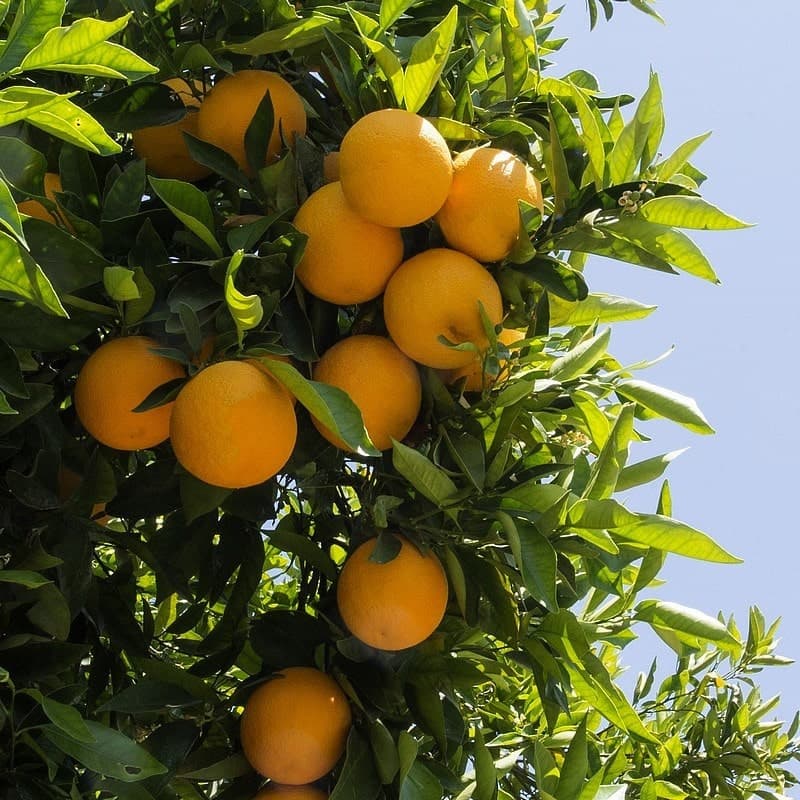
Bitter orange or Seville orange or even bigarade is the fruit of the bitter orange tree. Fruits, leaves, twigs and flowers have pharmaceutical, food and perfumery properties. The sour orange tree is a tree 3 to 10 meters high, thorny, evergreen, with very fragrant flowers, with edible but bitter fruits, it prefers a hot climate but supports episodic frosts down to −6°C. The bitter orange tree is said to originate from the Indian subcontinent. The Arabs introduced it to Syria in 943. Its cultivation is mentioned in Sicily in 100214, it is present in Al-Andalus in the eleventh century, successively in Malaga, in the Vega of Granada, then the province of Castellón. Most Andalusian Arab agronomists mention it and describe its cultivation perfectly. The city of Cordoba in Spain was created to honor a favorite of Caliph Abd al-Rahman III whose white skin reminded him of the delicate, white and sweetly scented flowers of the orange tree that grew abundantly in this region and in his country of origin. 'origin. You can make jam or candied fruit with the fruit, orange blossom absolute, orange blossom water, neroli essence with the flowers and petitgrain essence or petit grain bitter orange with the twigs. With the rind of the fruits (the zest) the aromatic essence of bitter orange is made, which is also used in alcoholic preparations (Cointreau, Grand-Marnier, Curaçao...). The aromatic essence is also used in aromatherapy as a sedative and anxiolytic in massages or intestinal antibacterial in case of intestinal dysbiosis, always under the supervision of a health professional familiar with essential oils. The aromatic essence presents risks of photosensitization. Average composition of the aromatic essence of bitter orange zest: Limonene (85-90%), beta-myrcene, decanal, citrals, meranzine, esters (linalyl acetate, geranyl acetate, citronellyl acetate) Coumarins, carotenoids, vitamin C, flavanones, citroflavonoids, pectins (in the HE extracted by peel expression)
This Bitter Orange essential oil is obtained from the zest of the fruits. It is not really an essential oil but an essence. The oil extracted from the zest of this very bitter orange is antiseptic, bactericidal, lipotropic and slightly analgesic. Applied diluted in vegetable oil, it can help reduce cellulite, lipomas and cystic clusters.
Applied diluted in vegetable oil, it can help reduce cellulite, lipomas and cystic clusters. Bitter Orange zest oil is said to be antiseptic, bactericidal, lipotropic and slightly analgesic.
Cosmetology Care products DIY Aromatherapy
Photosensitizing. Do not use in the first 3 months of pregnancy.
Read the product-specific precautions, safety data sheet and usage guidance before use.
No comments have been published yet.
Our team reviews comments before publication. Your public name and text will be visible. Sign in
100% pure and natural essential oils
From $9.00
100% pure and natural essential oils · Achillea millefolium · Slovenia · PED
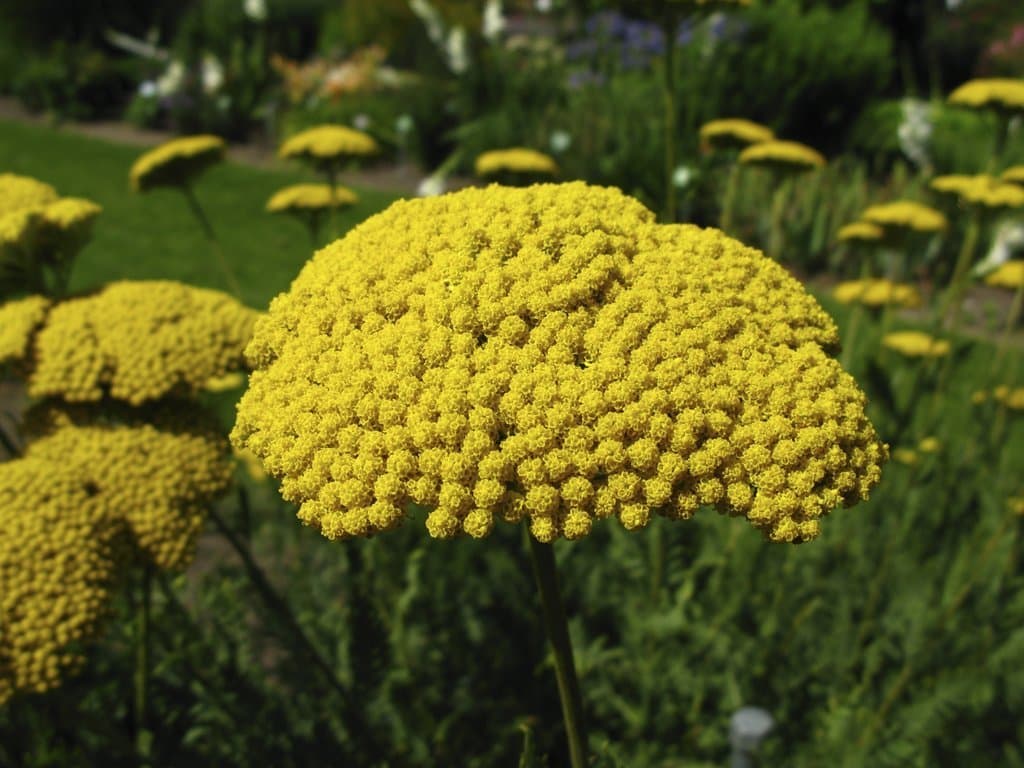
From $9.00
100% pure and natural essential oils · Achillea filipendulina · Bulgaria · SAUV.
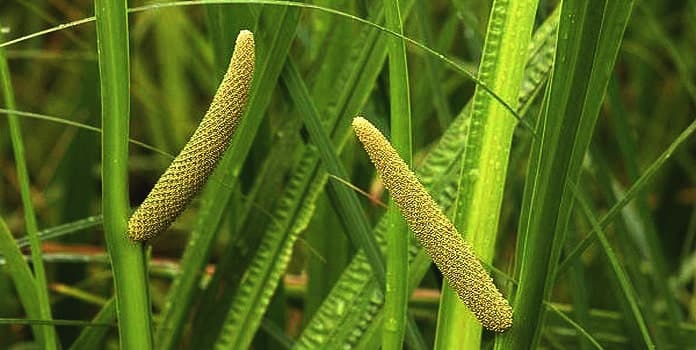
From $7.00
100% pure and natural essential oils · Acorus calamus · Nepal · C-BIO
From $35.00
100% pure and natural essential oils · Prunus armeniaca · Morocco · PED