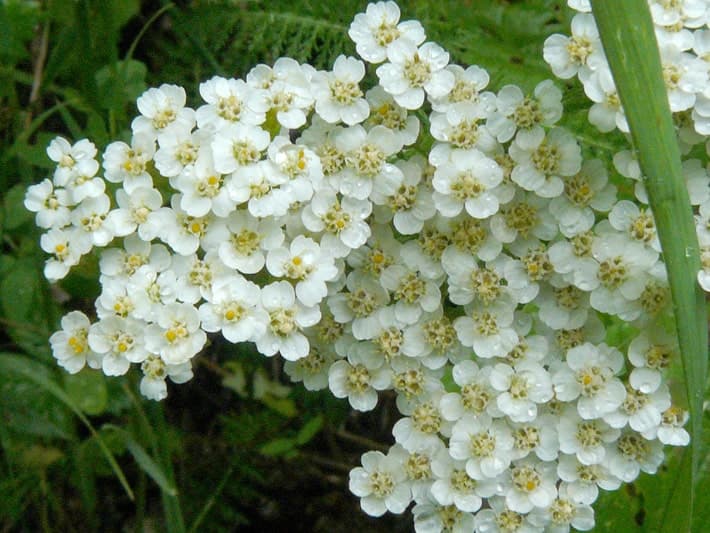
Yarrow,
From $9.00
100% pure and natural essential oils · Achillea millefolium · Slovenia · PED

100% pure and natural essential oils
Product code: EAC248826
Available to order
For further information about this product or to inquire about larger quantities, please send us an email and we will get back to you as soon as possible. The availability and price of this product may vary without prior notice, if for some reason the quantity you have requested is currently unavailable, we will contact you shortly to discuss the best options to fulfill your needs.
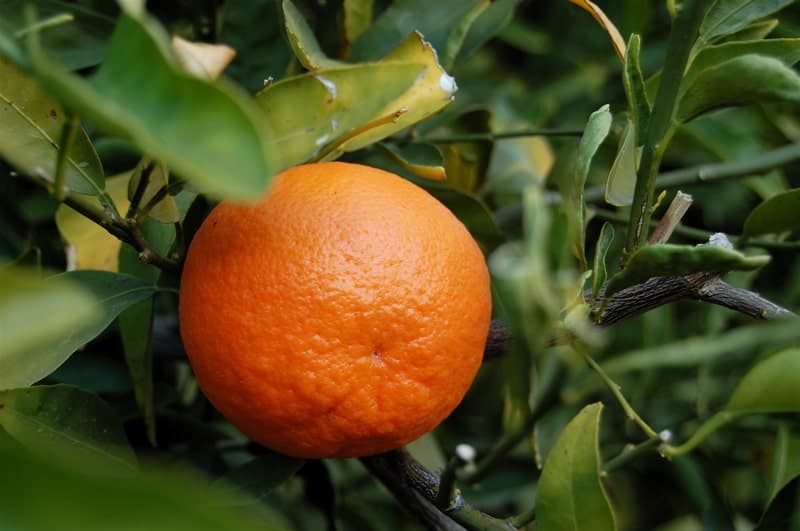
The tangerine (American variety of the mandarin Citrus reticulata var tangerina or Citrus x tangerina, derived from Citrus aurantium and Citrus reticulata) is the fruit of a shrub 3 to 6 meters in height, native to Asia (China and Japan), whose culture did not appear in Europe until the 19th century. Its leaves are oval, lanceolate, dark green in color. The white and very fragrant flowers appear in spring. The fruits measure 4 to 8 cm in diameter, their production is abundant and very fragrant, but they are rich in seeds, and the less fragrant clementine is often preferred. It is a plant of the Rutaceae family, in perfumery we rather speak of Hesperidae. In this family, there are about 900 species including: Citrus fruits (pomelos, kumquats, bergamot, citron, lemon, combava and caviar lemon, kumquat, lime, chinotto, lime, mandarin, sweet orange, bigarade, grapefruit, pomelo, papeda and hybrids), but also a large number of others plants producing more or less essential oils: (Rue, Zanthoxylum, Fraxinelle, Skimmia, Choisya, Poncirus etc). A large number of plants in this family have the particularity of often being photo-sensitizing, so they should be used with caution and always do a test in a part of the body not exposed to sunlight before considering using them. Tangerine is a mild anxyolitic, antidepressant, gastroprotector (in synergy with patchouli), and anti-inflammatory. Tangerine peel oil could, according to some studies, be used in cases of Anxiety, sleep disorders and mild and moderate depression always under the control of a health professional familiar with the use of essential oils. Main components of essential oil Zests: Monoterpene hydrocarbons (92-95%): limonene (65-85%), gamma-terpinene (10-20%), beta-pinene (5-10%), alpha-pinene (2-3%), myrcene (1 .5 to 2%), terpinolene, alpha-thujene, alpha-terpinene, para-cymene, sabinene Monoterpene alcohols: alpha-terpineol, linalool Aldehydes: alpha-sinensal, octanal, decanal Methyl N-methylanthranilate 0.3-0.6%
Tangerine essential oil is extracted from its bark : zest. It has anti-inflammatory, relaxing and even sedative effects, inhibiting the overstimulated central nervous system. It is used diluted to 5% with 95% of vegetable oil in massage of the back, the nape or the feet . ⇒ Due to its high level of concentration of photosensitizing furocoumarins, avoid applying it to parts exposed to the sun.
Possible photosensitization Avoid during the first three months of pregnancy Tangerine is potent CYP2E1 inhibitors (competitive inhibition)
* L’aromathérapie énergétique - Lydia Bosson * L’aromathérapie exactement - Pierre Franchomme, Roger Jolis et Daniel Pénoël * L’aromathérapie, Se soigner par les huiles essentielles - Dr Valnet * wikiphyto.org
Read the product-specific precautions, safety data sheet and usage guidance before use.
No comments have been published yet.
Our team reviews comments before publication. Your public name and text will be visible. Sign in
100% pure and natural essential oils
From $9.00
100% pure and natural essential oils · Achillea millefolium · Slovenia · PED
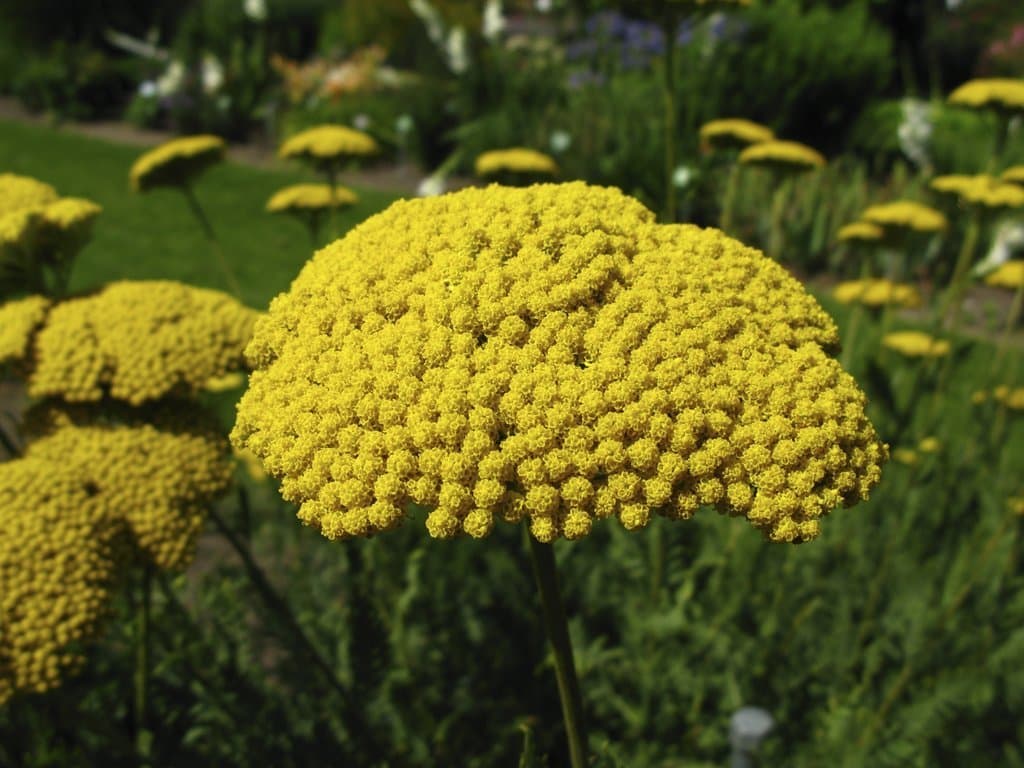
From $9.00
100% pure and natural essential oils · Achillea filipendulina · Bulgaria · SAUV.
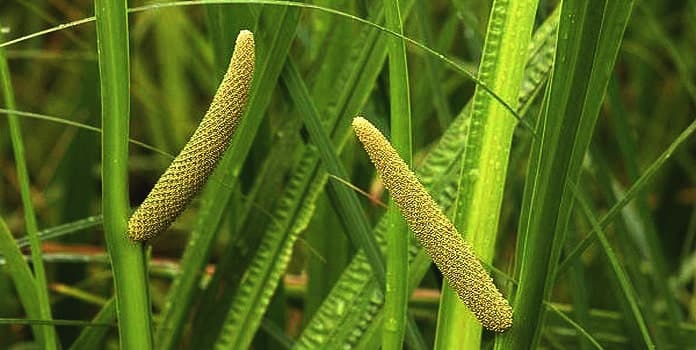
From $7.00
100% pure and natural essential oils · Acorus calamus · Nepal · C-BIO
From $35.00
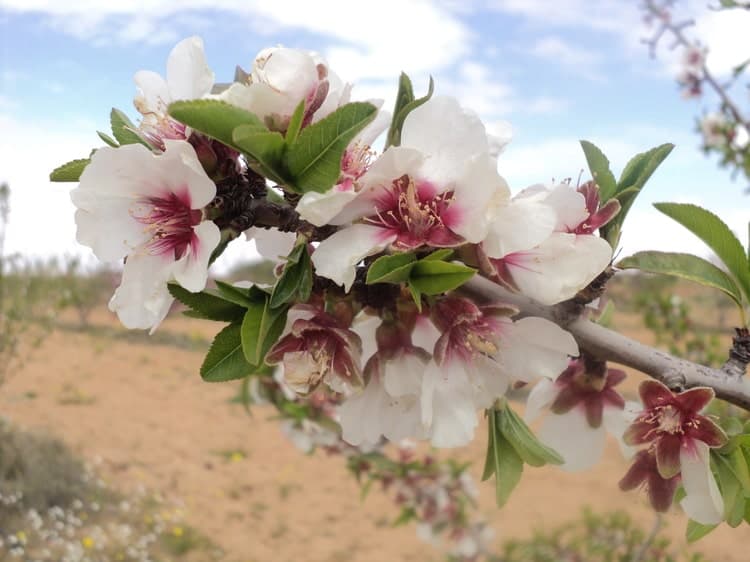
100% pure and natural essential oils · Prunus armeniaca · Morocco · PED