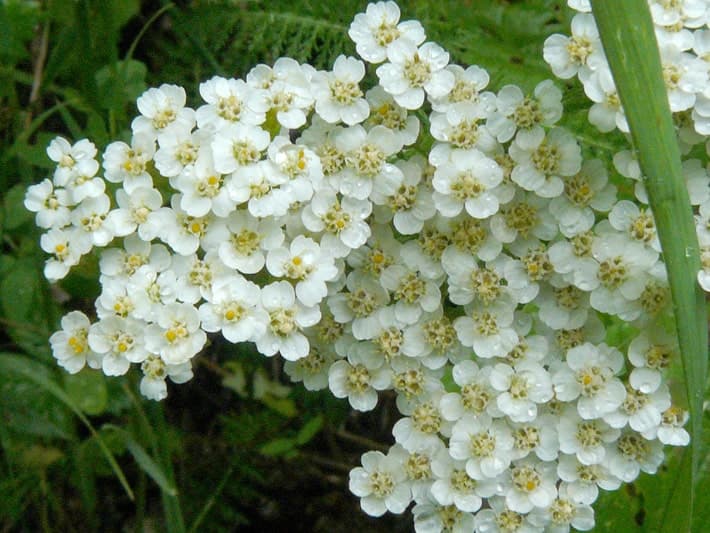
Yarrow,
From $9.00
100% pure and natural essential oils · Achillea millefolium · Slovenia · PED

100% pure and natural essential oils

Product code: EAB849729
Available to order
For further information about this product or to inquire about larger quantities, please send us an email and we will get back to you as soon as possible. The availability and price of this product may vary without prior notice, if for some reason the quantity you have requested is currently unavailable, we will contact you shortly to discuss the best options to fulfill your needs.
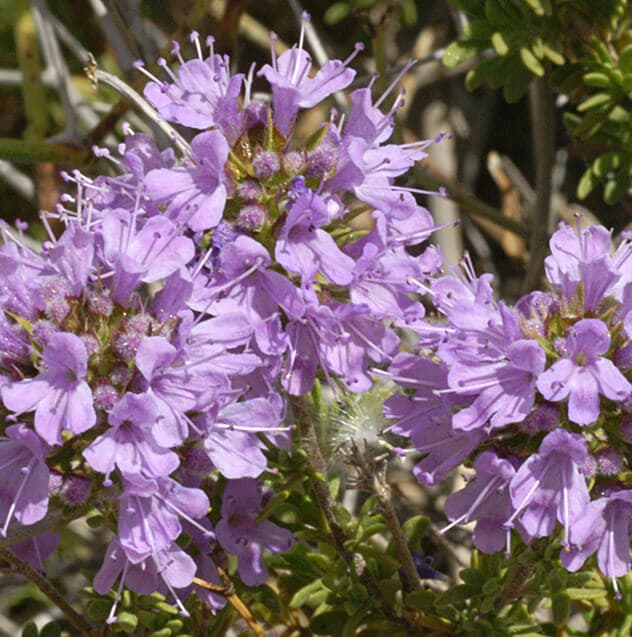
It is a sub-shrub used in cooking and as a medicinal plant that is native to North Africa. The genus Thymus includes about 300 species. The ancient Greeks used thyme as incense in their temples. The potion made from thyme was believed to give courage and bravery for battles (Thumos means courage in Greek). The name could also come from the Egyptian tham, name of a plant used to embalm the body or from the Greek root thy, meaning "to exhale a smell". Pliny already recommended it as an anti-infective. In the Middle Ages, it entered into the composition of some potions intended to see the fairies, and cured torticollis. Main components of essential oil Monoterpene alcohols: borneol 25-30%, alpha-terpineol 10%, linalool 4%, terpinene-4-ol Phenols: carvacrol, thymol 5 to 10% Monoterpenes: camphene 10%, alpha-pinene 6%, para-cymene 5%, gamma-terpinene, beta-pinene, limonene Sesquiterpenes: beta-caryophyllene, delta-cadinene Ester: bornyl acetate Terpene oxides: carvacrol methyl ether
Satureoid Thyme (nammed also savory thyme) with essential oil has always been recognized for its great healing properties, rich in borneol and carvacrol, it is an antiseptic, expectorant, anti-infectious, antiviral, immune stimulant, antiparasitic, fungicide, stimulant of liver functions, digestive, balancing nervous and invigorating. Its fragrance combines an earthy scent with a very floral note. ⇒ Being dermocaustic, it is important to ensure that its concentration does not exceed 5% when used in anointing, friction or massage in a vegetable oil, close to the organ to be treated. ⇒ The use of thyme essential oil is not recommended in pregnant or lactating women, as well as in children under 6 years of age . ⇒ It is also not recommended in case of hyperthyroidism or high blood pressure.
L'huile essentielle de Thym est reconnue depuis tout temps pour ses grandes propriétés curatives. Celui-ci a la réputation d'être très utile dans les cas d'asthénies physique, mentale ou sexuelle et en cas de cystites. Le chémotype à borneol saturéiode est très puissant et est particulièrement intéressant pour les massages en cas de douleurs rhumatismales et arthrosiques. Il présente l'avantage d'être plus doux pour la peau et les muqueuses, donc plus facile d'utilisation que le thym à thymol.
Frictions Massages Inhalations
⇒ L'utilisation de l'huile essentielle de Thym est déconseillée chez les femmes enceintes ou allaitantes, ainsi que chez les enfants de moins de 6 ans. ⇒ Elle est également déconseillée en cas d'hyperthyroïdie ou d'hypertension artérielle. ⇒ Pouvant être dermocaustique, il est important de veiller à ce que sa concentration ne dépasse pas 20% lorsqu'utilisée en onction, en friction ou en massage dans une huile végétale, en regard de l'organe concerné
* L’aromathérapie énergétique - Lydia Bosson * L’aromathérapie exactement - Pierre Franchomme, Roger Jolis et Daniel Pénoël * L’aromathérapie, Se soigner par les huiles essentielles - Dr Valnet
Read the product-specific precautions, safety data sheet and usage guidance before use.
No comments have been published yet.
Our team reviews comments before publication. Your public name and text will be visible. Sign in
100% pure and natural essential oils
From $9.00
100% pure and natural essential oils · Achillea millefolium · Slovenia · PED
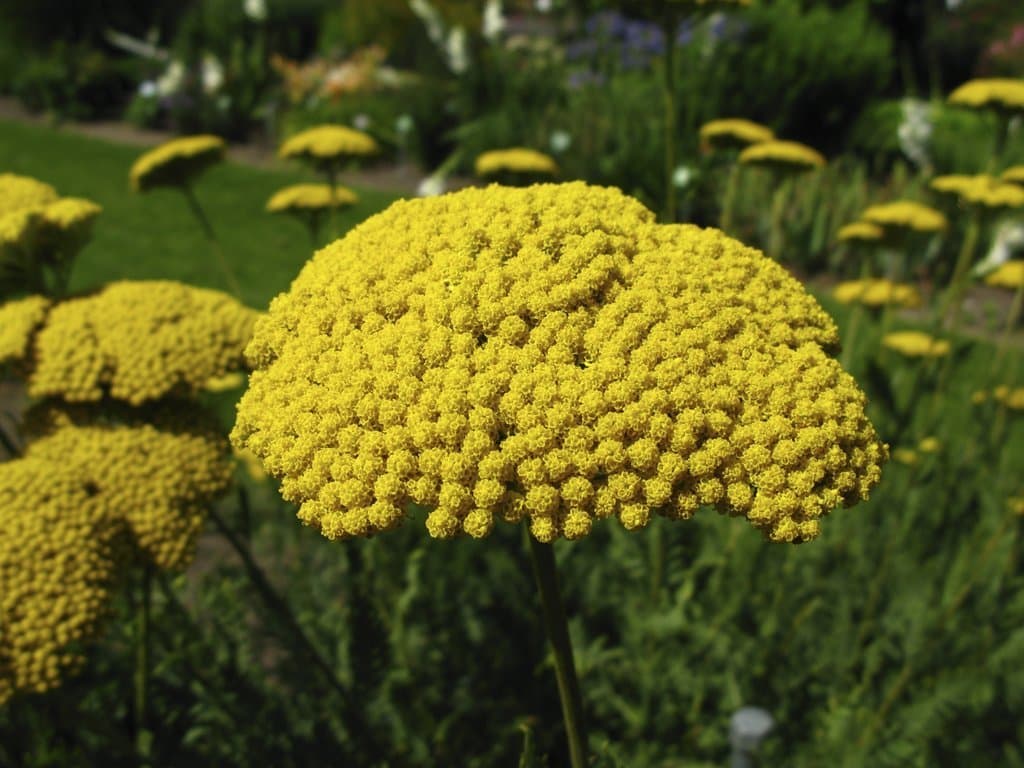
From $9.00
100% pure and natural essential oils · Achillea filipendulina · Bulgaria · SAUV.
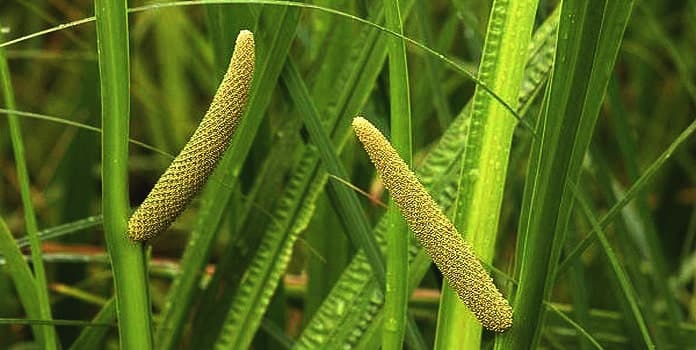
From $7.00
100% pure and natural essential oils · Acorus calamus · Nepal · C-BIO
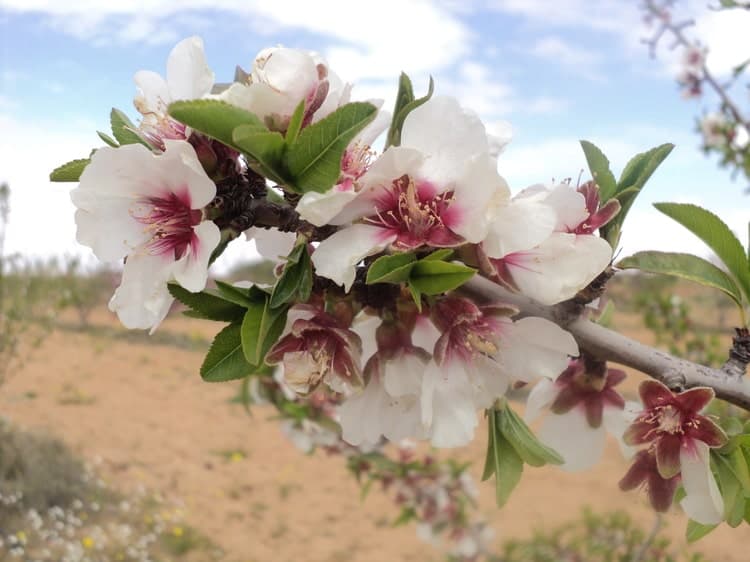
From $35.00
100% pure and natural essential oils · Prunus armeniaca · Morocco · PED